
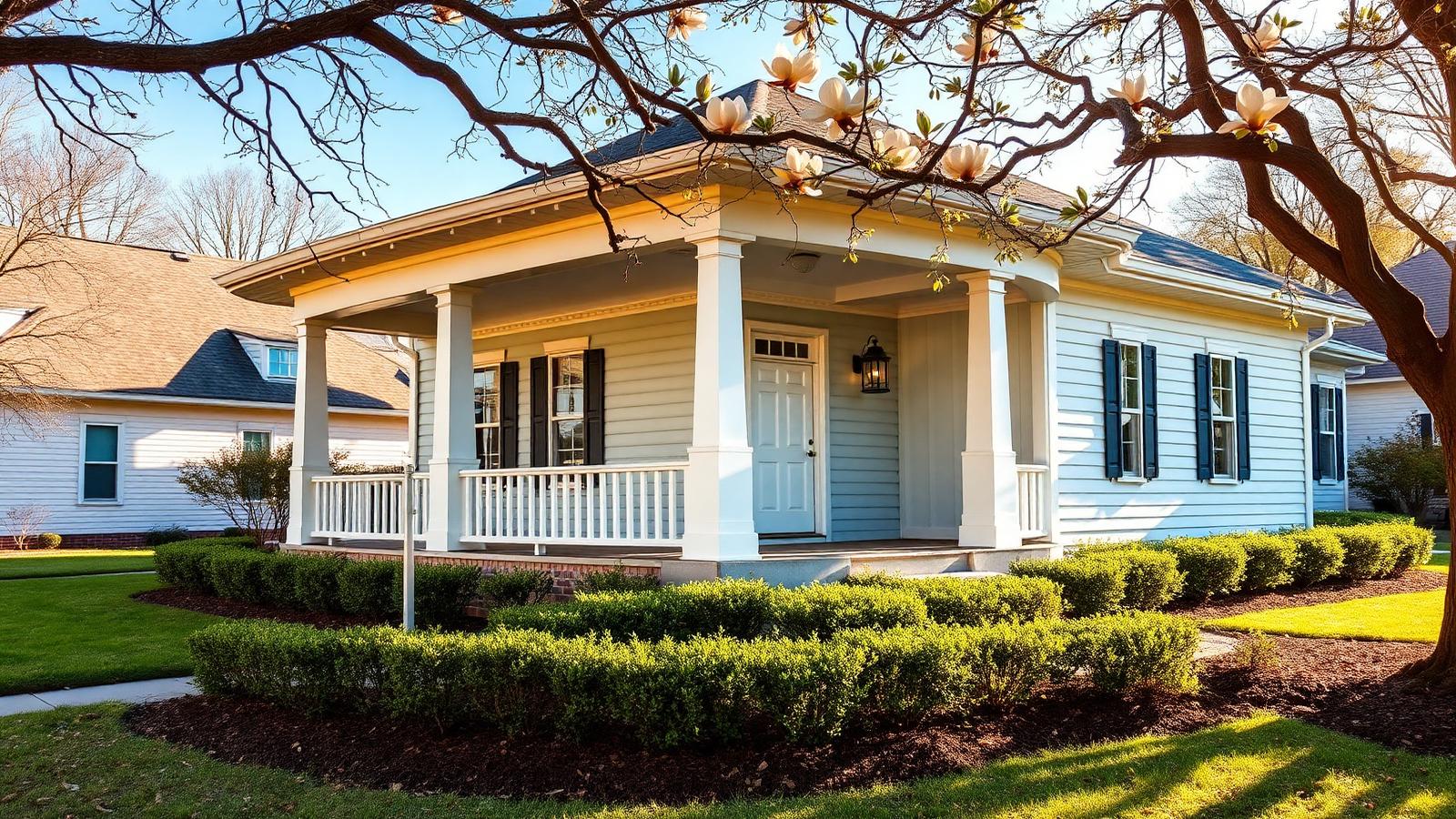

Local insights / Orlando, FL
Selling a Home or Land in Orlando, Florida
Orlando sellers face different decisions depending on whether they own a detached house, a condo, a rental property or vacant land. In Orange County, insurance costs, association requirements and property condition can matter as much as the asking price, especially when you need a dependable closing date.
Orlando’s housing stock creates different selling challenges
Orlando has older detached homes near its established urban core, newer subdivision homes, townhouses and condos. For a house, buyers may look closely at roof age, air-conditioning equipment, prior storm damage and unpermitted additions. For a condo, the building’s finances and maintenance obligations can be just as important as the condition of your unit.
Rental properties bring another set of questions: lease terms, deposits, tenant access and repair history. Vacant land buyers focus on zoning, access, utilities, drainage and whether wetlands or other restrictions affect development. An Orlando mailing address does not necessarily mean a property is within city limits, so confirm whether city or county requirements apply.
Who buys property in Orlando
Orlando attracts owner-occupants, long-term rental investors, renovation buyers and buyers seeking land for future use. Investors generally evaluate the purchase price alongside repairs, insurance, property taxes and association costs. Buyers considering short-term rentals also need to verify the property’s jurisdiction, zoning and association rules rather than assume vacation rentals are permitted.
Through Home Posted, sellers can connect with qualified independent buyers and investors or list for sale by owner for free. A property with repair or insurance problems may still interest a cash buyer, but those issues can affect the offer and closing conditions. Buyer interest is not a guarantee of an offer or a particular price.
What can slow an Orlando sale
Insurance can become a sticking point when a roof is older, inspection reports identify electrical or plumbing concerns, or a buyer cannot obtain coverage at an acceptable cost. A financed buyer may also face lender requirements tied to the home’s condition. Cash removes the mortgage approval step, but it does not remove the buyer’s need to assess risk and future expenses.
Association paperwork can create delays too. Outstanding dues, special assessments, approval requirements and estoppel information may need attention before closing. Condo reserve funding, inspections and building repairs can affect both buyer interest and financing eligibility. Title problems, unresolved permits and liens can slow a cash sale as well.
- Gather roof records, permits and available inspection reports.
- Request current HOA or condo balances and assessment details.
- Disclose leases, known damage and unresolved insurance claims.
- Ask the closing professional to check title and payoff requirements early.
Choosing cash or owner financing
A cash offer may be the better fit if you need sale proceeds at closing, want to stop carrying costs or do not want to collect payments over time. Compare the amount you would actually receive after mortgage payoffs, liens, association balances and closing costs, not just the headline offer. Also compare inspection rights, cancellation terms and proof of funds.
Owner financing means receiving some of the purchase price over time rather than all at closing. It may suit an owner who does not need an immediate full payout, but it introduces collection, default and enforcement risks. An existing mortgage can complicate the arrangement. Before agreeing, have a Florida real estate attorney review the structure and applicable lending rules, and discuss the tax consequences with a qualified tax professional.
- Cash: prioritize available funds, contract certainty and a workable closing date.
- Owner financing: evaluate the down payment, payment schedule, buyer qualifications and default protections.
- Either option: compare your net proceeds and ongoing obligations before signing.
Closing timelines and foreclosure deadlines
Florida uses a judicial foreclosure process, meaning foreclosure proceeds through court. Cases can take months, but an average timeline is not a safe guide to how much time an individual seller has left. If you have received court papers or a scheduled sale date, speak promptly with a Florida foreclosure attorney. A purchase contract alone does not stop a foreclosure.
Either a title company or an attorney can handle a Florida closing. A seven-day cash closing may be possible when title is clear, funds are verified and required payoffs and association documents are ready, but it should not be treated as guaranteed. Florida documentary stamp tax generally applies to deeds transferring property for consideration; ask the closing professional to calculate the applicable amount and show who pays it on your estimated settlement statement.
Common questions
Can I sell my Orlando home if insurance is becoming too expensive?
Yes. A cash buyer may be able to purchase without a lender’s insurance requirements, but will still consider insurability and future costs. Share relevant roof records, inspection findings and claim information early. Do not assume a sale will close before a policy cancellation or renewal deadline.
Will a cash buyer purchase a condo with a special assessment?
Some will consider it, depending on the assessment amount, building condition and association finances. Provide the assessment notice and payment schedule. The contract and closing documents should make clear how any unpaid amount will be handled.
Can I sell before a foreclosure is completed?
A sale may be possible before foreclosure is completed, but timing, payoff amounts and court status matter. If the proceeds will not cover the debt and closing obligations, additional approvals may be needed. Have a Florida foreclosure attorney and the closing professional assess your specific deadlines.
Is owner financing faster than accepting cash?
Not necessarily. Owner financing requires buyer evaluation and carefully prepared loan and security documents. Cash usually involves fewer financing steps, although either transaction can be delayed by title issues, liens or missing association information.
How should I set an asking price for my Orlando property?
Use recent comparable sales for the same property type and nearby location, then account for condition, roof age, association obligations and other material differences. A statewide median home value is not a valuation of your property. For land, compare parcels with similar zoning, access, utilities and development constraints.
List your house in Orlando, FL, free, with no percentage commission
Buyers search in Orlando, FL every day. Put your property in front of them, choose the offer types you will consider, and manage conversations in the platform.
- No listing fee or percentage commission
- Seen by buyers and investors