
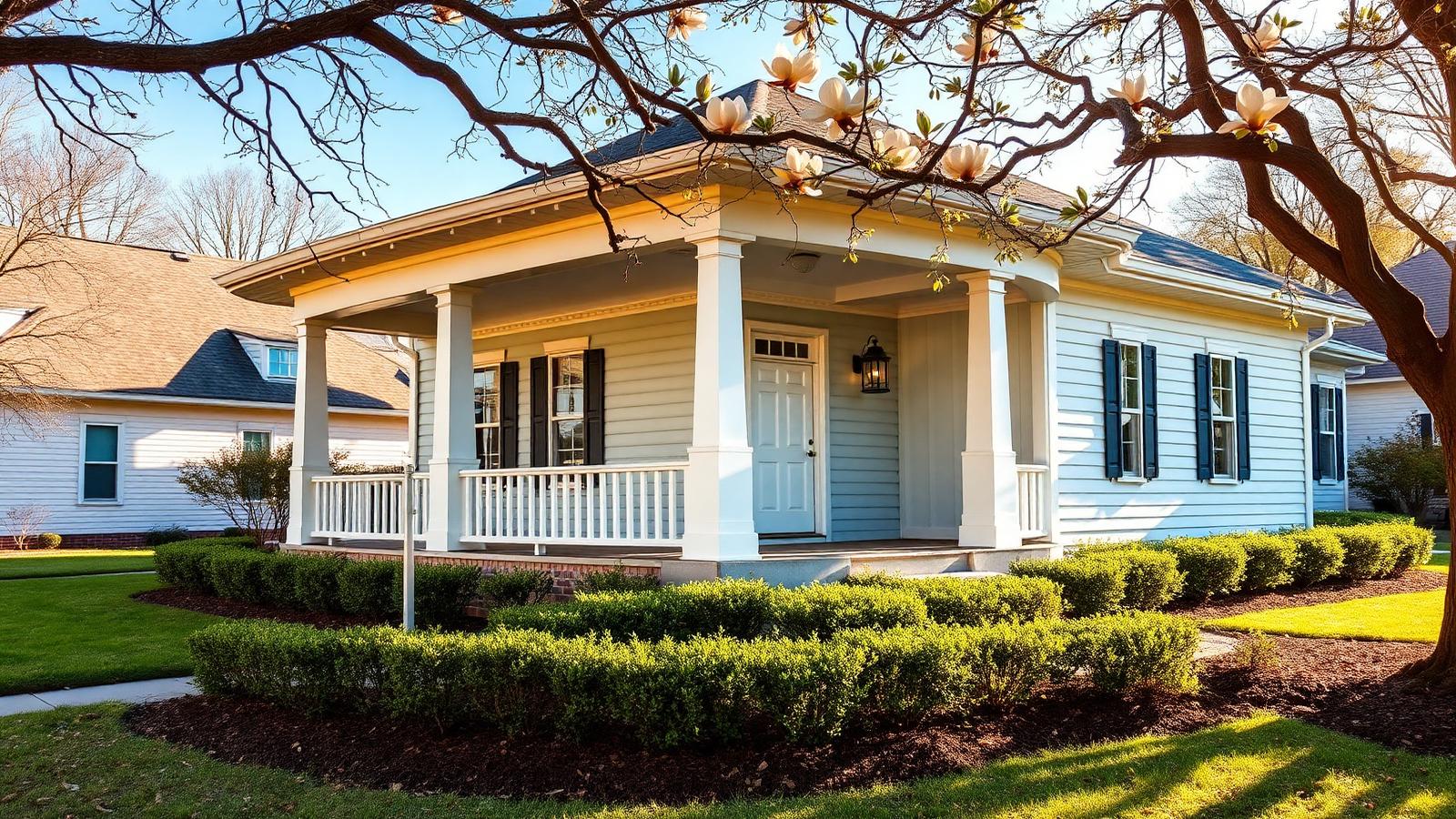

Local insights / Jacksonville, FL
Selling a Home or Land in Jacksonville, Florida
Jacksonville’s market varies by property type and location within Duval County. An older house near the urban core, a suburban home with an HOA, a condo, and an undeveloped lot can attract different buyers, and face different closing hurdles. Your best route depends on the property’s condition, carrying costs, and how soon you need the proceeds.
Housing stock: older homes, subdivisions, condos, and land
Jacksonville has a broad mix of older wood-frame and masonry houses, mid-century ranch homes, newer subdivisions, townhomes, and condos. In older properties, roof age, electrical systems, plumbing, and previous unpermitted work can affect both the buyer’s financing and the cost of insurance. Waterfront and low-lying properties may also require closer attention to flood exposure and coverage.
For subdivision homes and condos, buyers look beyond the purchase price to association dues, assessments, and maintenance obligations. For vacant land, road access, zoning, wetlands, drainage, and the availability of water and sewer can matter more than acreage alone. A buyer needs to understand what can actually be used or built before committing.
Who buys Jacksonville properties
Buyers include people purchasing a primary residence, landlords seeking rental houses, renovation investors, and builders looking for suitable lots. Jacksonville’s employment centers, port, and military installations contribute to housing demand, but buyer interest still depends on the specific property, its price, and its ongoing costs.
Cash buyers can be a useful audience for inherited homes, properties needing repairs, tenant-occupied rentals, and homes that are difficult to finance. They do not need a mortgage approval, but they still evaluate title, condition, insurance, and resale or rental potential. Condo assessments and insurance problems can reduce their offer or lead them to pass; cash does not make those issues disappear.
Home Posted matches sellers with qualified independent buyers and investors. Owners can also list for sale by owner for free. Neither route guarantees an offer, so compare actual terms rather than assuming every investor will value your property the same way.
What can slow a Jacksonville sale
Insurance is an important early checkpoint. An aging roof, prior damage, or an expensive coverage quote can disrupt a financed purchase. Condo transactions may need association financial records, assessment details, and information about required inspections or reserve funding. HOA and condo estoppel certificates also help establish what the seller owes before closing.
Title problems create a separate set of delays. An inherited property may need probate work; unpaid taxes, liens, or unresolved ownership questions may need attention before title can transfer. For homes with tenants, buyers will usually want leases, payment records, and security-deposit information. Gathering these documents before accepting an offer can prevent avoidable last-minute surprises.
Florida uses a judicial foreclosure process. A case can take many months, but a statewide average does not tell you how much time remains in your case. If a foreclosure sale is scheduled, speak promptly with a Florida foreclosure attorney and the closing professional. A seven-day cash closing may be possible when everything is ready, but it is not guaranteed and a signed purchase contract alone does not stop foreclosure.
Cash offer or owner financing?
A cash sale is generally the more direct option when you need the proceeds at closing, want to stop carrying expenses, or do not want to manage a loan after selling. Compare the amount you would actually receive after mortgage payoffs, association balances, taxes, closing charges, and any repair concessions. Also check proof of funds, inspection rights, earnest money, and the buyer’s ability to change or cancel the deal.
Owner financing means receiving some of the price over time rather than all at closing. It may suit an owner who can wait for payment and is willing to assess the buyer’s ability to pay. The tradeoff is ongoing collection work and default risk. An existing mortgage can complicate the arrangement, and missed payments may require legal action rather than a quick recovery of the property.
Either a title company or an attorney can handle a Florida closing. Documentary stamp tax generally applies to deeds transferring property for consideration, so ask for it to be included in your estimated net proceeds rather than assuming the offer price is your take-home amount. Before agreeing to owner financing, have a Florida real estate attorney review the structure and documents, and ask a tax professional about the tax consequences.
- Choose based on your need for money now versus your willingness to receive payments over time.
- Compare net proceeds and contract terms, not just the advertised purchase price.
- Resolve title, insurance, and association questions early, whichever route you choose.
Common questions
Can I sell my Jacksonville home if it needs a roof or has insurance problems?
Possibly. Some cash buyers purchase properties that are difficult to finance, including homes needing roof replacement. Expect the buyer to account for repairs and insurance costs in the offer. Share known issues early and have a Florida real estate professional or attorney explain your disclosure obligations.
Can a cash sale close in seven days?
Sometimes, if title is clear, funds are available, and payoff statements, association documents, and signing arrangements are ready. Probate, liens, foreclosure deadlines, or missing documents can make that timeline impractical. Have the closing professional confirm feasibility before relying on a date.
Should I use Florida’s average foreclosure timeline to plan my sale?
No. Florida foreclosures go through court, but the time left depends on your case’s current stage and any scheduled sale date. Ask a Florida foreclosure attorney about your specific deadlines while the closing professional checks what is needed to complete a sale.
Will a cash buyer purchase a Jacksonville condo with an assessment?
Some may, but an assessment is still a real cost. Buyers will want to know the amount, payment schedule, underlying work, and association finances. Those details can affect both the price and whether the buyer proceeds.
Is owner financing a better deal than accepting cash?
Not automatically. A higher total price paid over time is not the same as cash received today. Consider the down payment, payment schedule, servicing costs, default risk, and any existing mortgage. Have an attorney review the proposed agreement and a tax professional explain the tax treatment before committing.
List your house in Jacksonville, FL, free, with no percentage commission
Buyers search in Jacksonville, FL every day. Put your property in front of them, choose the offer types you will consider, and manage conversations in the platform.
- No listing fee or percentage commission
- Seen by buyers and investors