
Local insights / Halifax, VA
Finding the Right Buyer for a Halifax Home or Rural Property
Halifax’s courthouse-area homes and properties along the Banister River do not sell on the same terms as a house near neighboring South Boston. In this part of Halifax County, the condition of the buildings, the usefulness of the land, and access to services can matter more than a statewide home-value figure.
An older town home is a different sale from county acreage
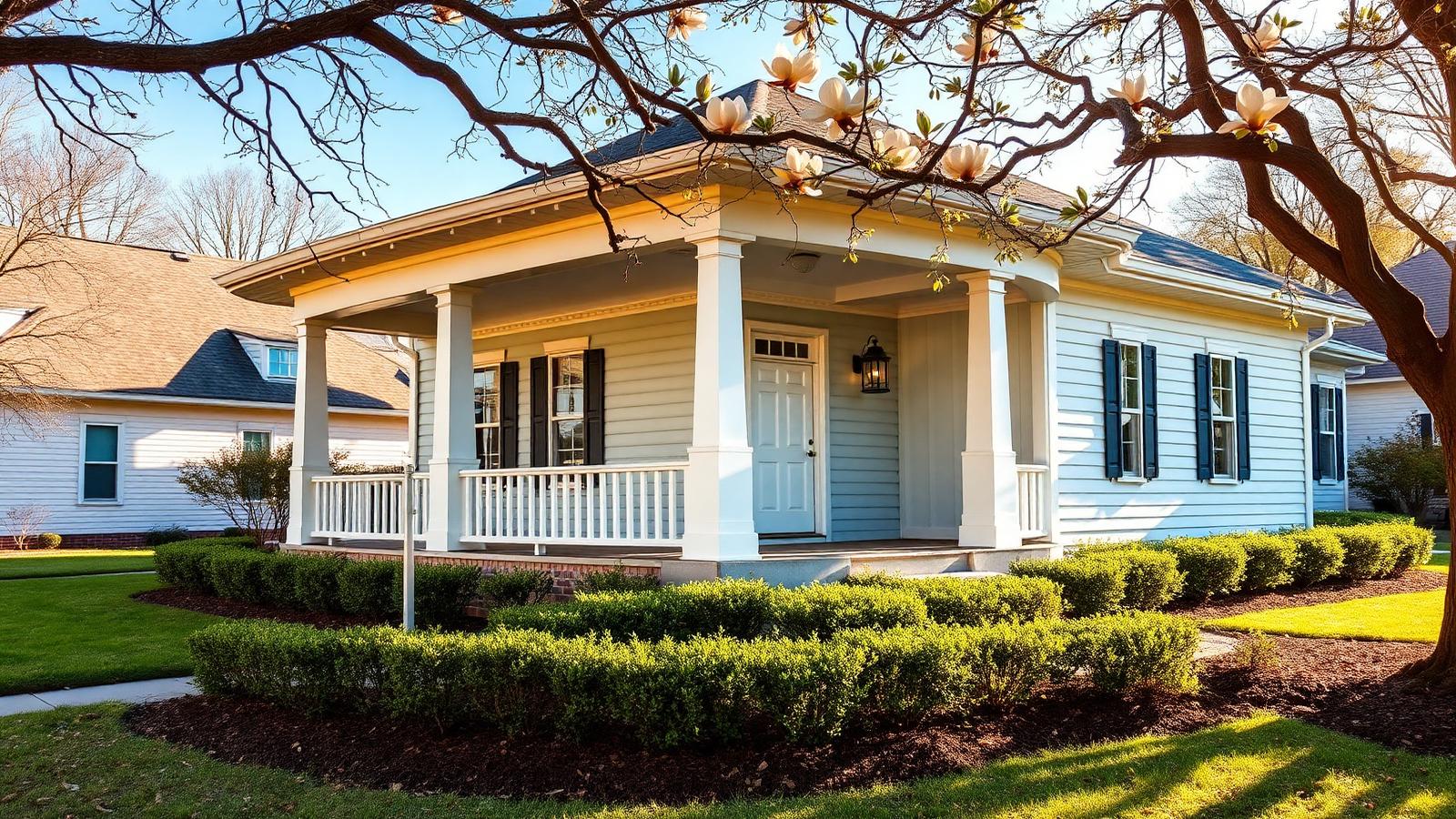
The Halifax area includes older wood-frame houses, brick ranches, manufactured homes, and rural properties with acreage or outbuildings. A home near the courthouse may attract interest for its in-town setting, while a property outside town needs a clear account of road access, boundaries, water, and septic arrangements.
Buyers comparing Halifax with South Boston or properties along US 501 will look beyond bedroom count. Roof condition, heating and cooling systems, usable acreage, and the upkeep of barns or other structures can all affect an offer. Recent sales of genuinely similar nearby properties are more useful for pricing than Virginia’s statewide median home value.
Reach buyers looking beyond Virginia’s larger cash markets
Potential buyers include local owner-occupants, rental investors, renovation buyers, and people seeking land or more space. Each evaluates the property differently: a rental buyer needs supportable rent and repair estimates, while an acreage buyer may focus on access, terrain, and permitted uses.
Activity in Northern Virginia, Richmond, or Hampton Roads does not automatically translate into demand in Halifax. A rural property may need wider exposure to find a buyer comfortable with its location and maintenance needs. On Home Posted, owners can list for sale by owner free to reach pre-screened investors and cash buyers searching the Halifax area, as well as request a direct cash offer.
What can hold up a Halifax County closing
Rural sales can stall over an undocumented access easement, unclear boundaries, or questions about a well or septic system. Older homes may raise repair or insurance concerns, and manufactured homes can require additional ownership and title documentation. Inherited property can also take longer when ownership or estate paperwork remains unresolved.
In Virginia, an attorney or title company can handle settlement; you can choose whom to work with. Ask that professional early about title issues, liens, payoff information, and the documents needed for your property. A cash purchase removes the buyer’s mortgage approval step, but it does not remove title work or every possible delay.
Behind on mortgage payments? Virginia uses a nonjudicial foreclosure process, and deadlines can move quickly. Do not assume you have 60 days or that a sale can close within 14 days. Share any scheduled sale date with the settlement professional immediately, and contact your loan servicer and a Virginia attorney or HUD-approved housing counselor about your options.
Cash now or payments over time?
A cash offer may fit an owner who needs sale proceeds at closing, wants to avoid making repairs, or has a deadline. Compare the net proceeds, not just the offered price: review closing-cost allocations, inspection rights, contingencies, proof of funds, and the proposed closing date. An as-is purchase can still include an inspection or a right for the buyer to cancel.
Owner financing means accepting some of the purchase price over time rather than receiving it all at closing. It may broaden the pool of buyers for certain rural properties, but it leaves you exposed to missed payments and the cost of enforcing the agreement. It is not automatically a solution for an overdue mortgage, since existing debt and loan restrictions still need to be addressed.
Before agreeing to owner financing, have a Virginia real estate attorney review the structure, existing mortgage, security documents, and applicable requirements. A tax professional can explain the tax consequences. Choose based on your need for cash, your willingness to manage payments, and the actual terms available, not a higher headline price alone.
Common questions
Can I list my Halifax property free for local investors?
Yes. You can create a free for-sale-by-owner listing on Home Posted to reach investors and cash buyers searching Halifax and the surrounding area. Include the property’s condition, acreage, access, utilities, and photos. You can also request a direct cash offer, though an offer is not guaranteed.
Will a cash buyer consider a home with well or septic issues?
Some buyers will consider it, but the nature of the problem and likely repair cost affect their decision. Share known issues and any inspection or repair records. Cash removes lender approval requirements, not the buyer’s need to investigate the property.
Can a Halifax sale close in under 14 days?
That may be possible with a ready buyer, clear title, and available settlement services, but it should not be assumed. Estate matters, liens, missing documents, or access disputes can extend the timeline. Confirm a realistic date with the attorney or title company before relying on it.
Is owner financing better than taking a cash offer?
Neither is always better. Cash generally provides proceeds at closing, while owner financing spreads payments over time and carries default risk. Compare the down payment, payment terms, costs, and your remaining obligations with help from an attorney and tax professional.
Does listing my property stop a foreclosure?
No. A listing or pending offer does not by itself stop a foreclosure. Contact your servicer promptly and ask a Virginia attorney about the deadlines in your notices. Tell any prospective buyer and settlement professional about a scheduled foreclosure sale before setting a closing date.
List your house in Halifax, VA, free, with no percentage commission
Buyers search in Halifax, VA every day. Put your property in front of them, choose the offer types you will consider, and manage conversations in the platform.
- No listing fee or percentage commission
- Seen by buyers and investors