
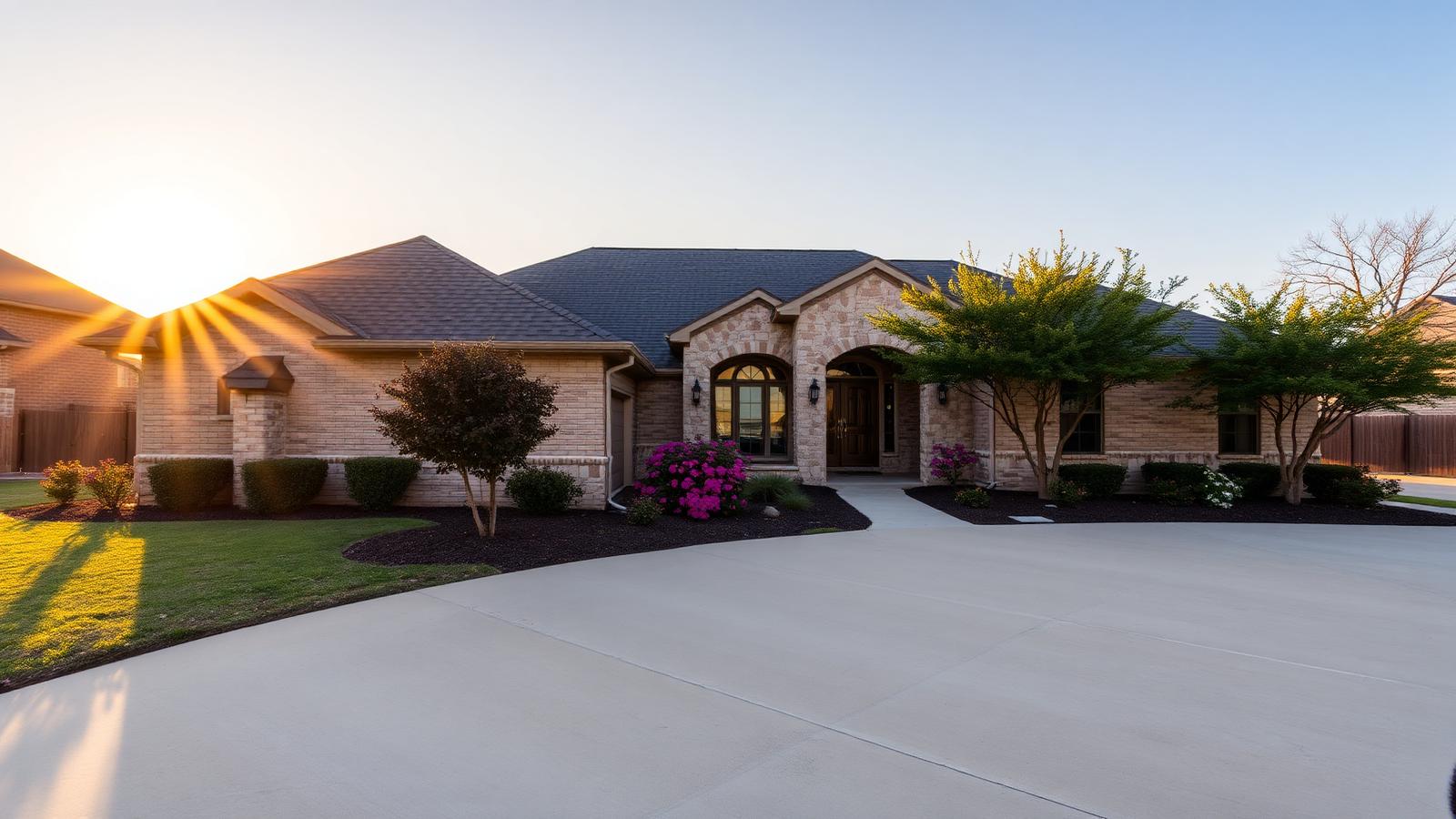

Local insights / Austin, TX
Selling a Home or Land in Austin, Texas
Austin sellers face different decisions depending on whether they own an older central-city home, a newer subdivision house, a condo, or undeveloped land. The property's condition, carrying costs, and closing deadline matter more than a statewide price benchmark when choosing how to sell.
Austin’s housing stock calls for property-specific pricing
Austin has older bungalows and ranch-style homes, newer infill construction, downtown condos, townhomes, and master-planned subdivisions. Most of the city is in Travis County, but Austin also extends into Williamson and Hays counties. For pricing, compare recent sales of similar properties nearby, not simply homes with an Austin mailing address.
For older houses, foundation movement, aging plumbing, and unpermitted additions can affect what a buyer will pay. Condo sellers should account for association dues, assessments, and resale documentation. Land value depends heavily on legal access, utilities, zoning, floodplain conditions, and development restrictions; acreage alone does not establish a buildable lot's value.
Who buys Austin homes and land
Austin attracts buyers looking for a primary residence, investors purchasing rental properties, renovation buyers, and builders seeking infill opportunities. Their priorities differ: a rental investor weighs income against taxes, insurance, and repairs, while a builder studies what the site can legally support. A cash buyer may still inspect the property and cancel under the contract's terms.
Multiple buyers may compete for a property that fits their plans, but competition does not guarantee a strong offer. Through Home Posted, sellers can connect with qualified independent buyers and investors or list for sale by owner for free. Compare each buyer's proof of funds, contingencies, earnest money, and proposed closing date alongside the price.
What can slow an Austin sale
Pricing against a renovated home when yours needs substantial work can delay a sale. Inspection concerns can also trigger renegotiation, particularly when foundation repairs, drainage problems, roof condition, or past alterations are not documented. For condos, association paperwork and a buyer's lender requirements can add time; for land, buyers may need surveys and feasibility checks.
A Texas title company typically coordinates closing, examines title, handles funds, and records the closing documents. Missing ownership documents, unresolved liens, inherited-property issues, survey discrepancies, or delayed mortgage payoff statements can hold up even a cash purchase. Texas homestead rules may affect required signatures and other legal issues, but they do not create a simple adjustment to your asking price. Ask the title company or a Texas attorney how they apply to your property.
- Gather any survey, repair records, permits, and association information before accepting an offer.
- Tell the title company early about an estate, divorce, bankruptcy, or ownership dispute.
- Request a net proceeds estimate showing mortgage payoffs, liens, taxes, fees, and agreed closing costs.
Cash offer or owner financing?
A cash sale is often the more practical route when you need proceeds at closing, want to stop carrying costs, or do not want to manage payments after selling. Some straightforward cash transactions can close in as little as seven days, but title problems, payoff delays, and other requirements can extend that schedule. Confirm the buyer's actual ability to meet your deadline before relying on it.
With owner financing, you generally receive a down payment and collect the remaining purchase price over time. That may attract buyers who cannot use conventional financing, but it leaves you exposed to missed payments and possible enforcement costs. Compare the down payment, interest, repayment schedule, and default risk, not just the headline price. An existing mortgage can complicate the arrangement. Have a Texas real estate attorney review the structure and applicable lending requirements, and ask a tax professional about the tax consequences.
If a trustee sale is approaching, verify the deadline first
Texas commonly uses a nonjudicial foreclosure process, and the timeline can be short. The often-cited period of roughly 41 days reflects certain minimum notice periods, not a universal countdown for every loan or homeowner. Federal servicing rules, loan terms, prior notices, and other circumstances can change the timing. Use your actual notices and professional guidance to establish where you stand.
If you are behind on payments, contact your mortgage servicer and a Texas foreclosure attorney promptly. Give any proposed buyer and the title company the scheduled trustee-sale date immediately. Signing a sale contract does not itself stop foreclosure, and a seven-day closing is not assured. Ask the title company and your attorney what must happen for a sale to close and the debt to be resolved before the auction.
Common questions
Should I use Texas’s median home value to price my Austin property?
No. A statewide median combines very different markets and property types. Use recent nearby comparable sales, then account for your property's condition, lot, improvements, and any restrictions. For land, buildability and access are especially important.
Can I sell an Austin house that needs foundation repairs?
Yes. Some investors buy properties needing substantial repairs, but their offers will reflect repair costs and uncertainty. Share existing engineering reports, estimates, and warranty documents, and ask a qualified professional about your disclosure obligations.
Does a cash sale skip the title company?
Typically, no. Cash removes the buyer's mortgage approval process, but title review, payoff coordination, closing documents, and recording still matter. Ask who will handle closing and how each closing cost will be allocated.
Is owner financing a good option if I still have a mortgage?
It can be complicated. Your loan may contain a due-on-sale clause, and seller-financing rules may apply. Do not assume the buyer's payments can simply replace yours. Have a Texas attorney review your mortgage and proposed transaction before offering terms.
Can a cash buyer stop a scheduled foreclosure?
An offer or signed contract alone does not stop a trustee sale. A completed sale may provide funds to pay the debt, but the timing and payoff must be coordinated. Contact your servicer, a Texas foreclosure attorney, and the closing title company immediately; do not rely on a promised closing date without verifying the required steps.
List your house in Austin, TX, free, with no percentage commission
Buyers search in Austin, TX every day. Put your property in front of them, choose the offer types you will consider, and manage conversations in the platform.
- No listing fee or percentage commission
- Seen by buyers and investors