
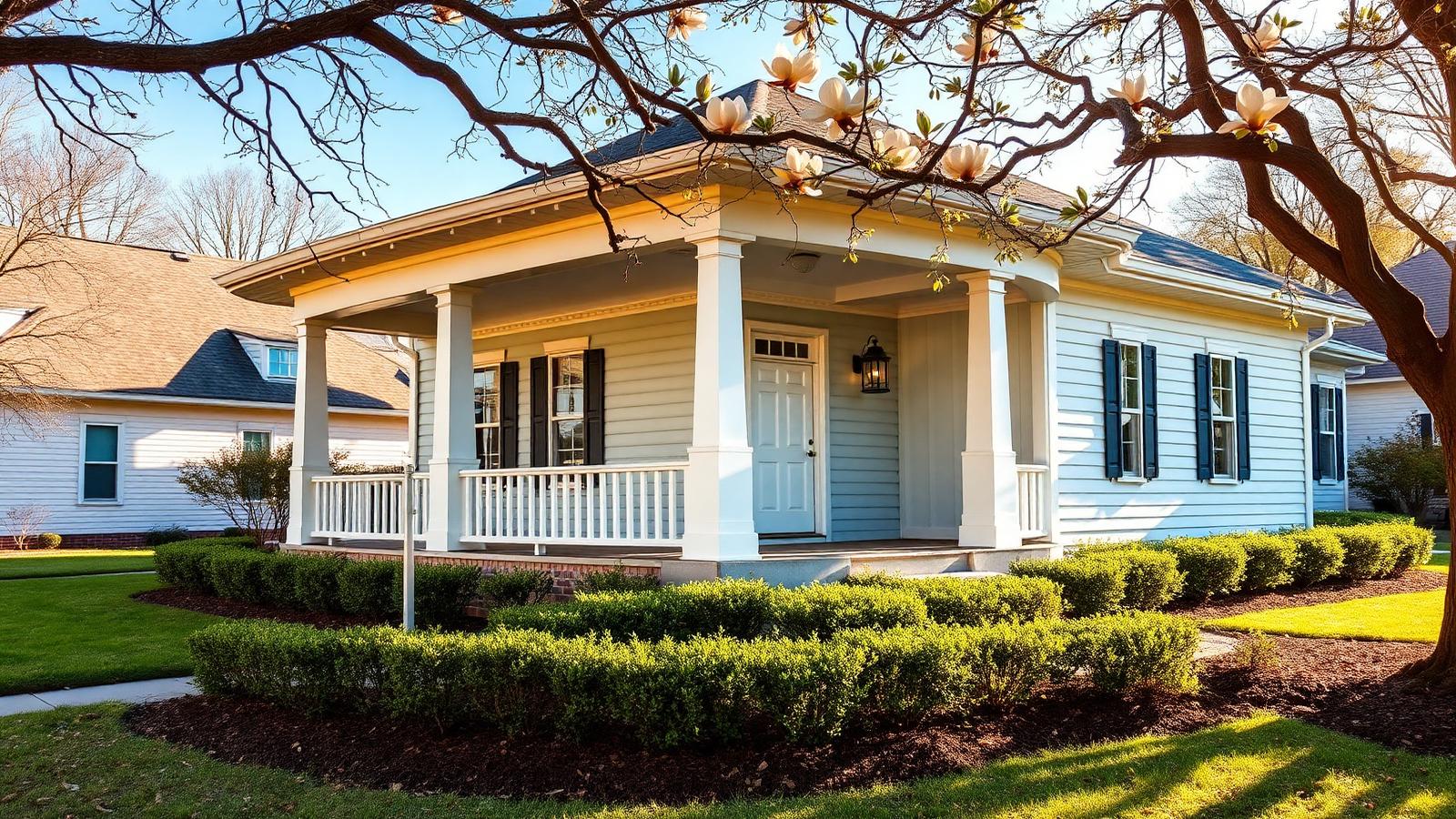

Local insights / Charleston, SC
Charleston homes: matching the property, buyer, and closing plan
A historic house on the Charleston peninsula presents different selling questions from a brick ranch in West Ashley or a low-lying property on James Island. Condition matters, but so do flood insurance, renovation restrictions, and the buyer’s intended use. Those details help determine which buyers will pursue your property, and whether cash or owner financing fits your next move.
From peninsula single houses to West Ashley ranches
Charleston’s housing stock includes historic Charleston single houses, older wood-frame homes, mid-century brick ranches, condos, and newer construction. On the peninsula, deferred maintenance can involve more than cosmetic updates: buyers may investigate crawl-space moisture, termite damage, aging systems, and previous alterations.
In West Ashley and the parts of James Island within Charleston, buyers often weigh lot size, drainage, flood exposure, and access to routes such as Savannah Highway or Folly Road. An elevation certificate, current insurance information, repair records, and permit history can answer questions that otherwise hold up an offer. For condos, association fees, assessments, and building maintenance records also deserve attention.
Rental potential attracts buyers, but permissions matter
Charleston attracts buyers looking for primary homes, long-term rentals, and renovation projects. Employment tied to the Medical University of South Carolina, the port, and tourism gives investors several reasons to study the area, but their offers still depend on the individual property’s expenses, condition, and likely use.
Do not assume a Charleston property can operate as a short-term rental simply because visitors come to the city. Municipal boundaries, zoning, permit requirements, and association rules can change what is allowed. Buyers planning vacation rentals should verify eligibility rather than price the home on an unconfirmed income projection.
On Home Posted, you can list your Charleston home or land for free to reach pre-screened investors and cash buyers searching the area. You can also request a direct cash offer. Neither route guarantees an offer, but both let you explore buyer interest before committing to a sale.
Flood questions, historic review, and the closing attorney
Flood-zone questions and insurance quotes can affect a buyer’s budget late in the process. Historic properties may bring another layer of review: exterior work within Charleston’s applicable historic districts can require Board of Architectural Review approval. Unresolved permits or uncertainty about a planned renovation can slow an investor’s decision even when financing is not involved.
South Carolina requires a South Carolina-licensed attorney to handle the closing. You choose your closing attorney, and the attorney’s fee can be paid from your proceeds at settlement. Bring title concerns, inherited ownership, liens, and lender payoff information forward early so the attorney can identify what must be resolved before funds are distributed.
A cash closing may be possible in a timeline based on the contract and title work when you are ready, provided title, payoff information, and other closing requirements are ready too. South Carolina uses judicial foreclosure; a roughly seven-month timeline is only a broad estimate, not a safe deadline for your case. A pending sale does not automatically pause foreclosure. Ask your attorney and lender about the actual deadlines rather than assuming there is plenty of time.
Cash now or payments over time?
A cash offer generally suits an owner who needs a lump sum, wants to pay off an existing mortgage, or prefers not to manage a buyer’s payments after closing. Compare net proceeds, not just the offer amount, along with inspection rights, earnest money, proof of funds, and any right the buyer has to cancel. Cash removes the mortgage-approval step, but it does not remove title or closing requirements.
Owner financing means accepting some or all of the purchase price over time. It may expand the pool of potential buyers, but a higher stated price is not the same as more money collected. The down payment, payment schedule, buyer’s ability to pay, insurance obligations, and consequences of default all matter. You also give up immediate access to the financed portion of your equity.
An existing mortgage can make owner financing difficult, including because of due-on-sale provisions. Have a South Carolina attorney review the proposed structure before agreeing to terms, and consult a tax professional about the tax consequences. Owner financing should not be treated as a shortcut around lender payoff or an approaching foreclosure deadline.
Common questions
Can I list my Charleston property free to local investors?
Yes. You can create a free for-sale-by-owner listing on Home Posted to reach pre-screened investors and cash buyers searching Charleston. Include the property’s condition, occupancy, known flood information, and your preferred timing. You can also request a direct cash offer; listing does not guarantee buyer interest or a particular price.
Can a Charleston cash sale close on a timeline set by the offer and title work?
That timeframe may be possible when ownership is clear, lender payoff figures are available, and the closing attorney can complete the required work. Probate issues, liens, missing documents, or other title problems can take longer. Confirm a realistic closing date before making plans around the proceeds.
Who handles the closing in South Carolina?
A South Carolina-licensed attorney must handle the closing. You choose your closing attorney, and the fee can come out of your proceeds at settlement. Request a written estimate of fees and expected net proceeds before closing.
Is owner financing a good alternative if I still have a mortgage?
Not necessarily. Your existing loan terms and payoff requirements may conflict with the proposed arrangement. Have an attorney review the mortgage and financing structure before accepting a down payment or signing an agreement. A cash sale may better fit a need to pay the lender and receive your remaining equity at closing.
What should I disclose about a historic or flood-prone Charleston home?
Gather known flood history, insurance information, elevation documents if available, repair records, permits, and any historic-review approvals. Explain known issues accurately rather than assuming an as-is sale makes them irrelevant. Ask your closing attorney which disclosures apply to your property.
List your house in Charleston, SC, free, with no percentage commission
Buyers search in Charleston, SC every day. Put your property in front of them, choose the offer types you will consider, and manage conversations in the platform.
- No listing fee or percentage commission
- Seen by buyers and investors