
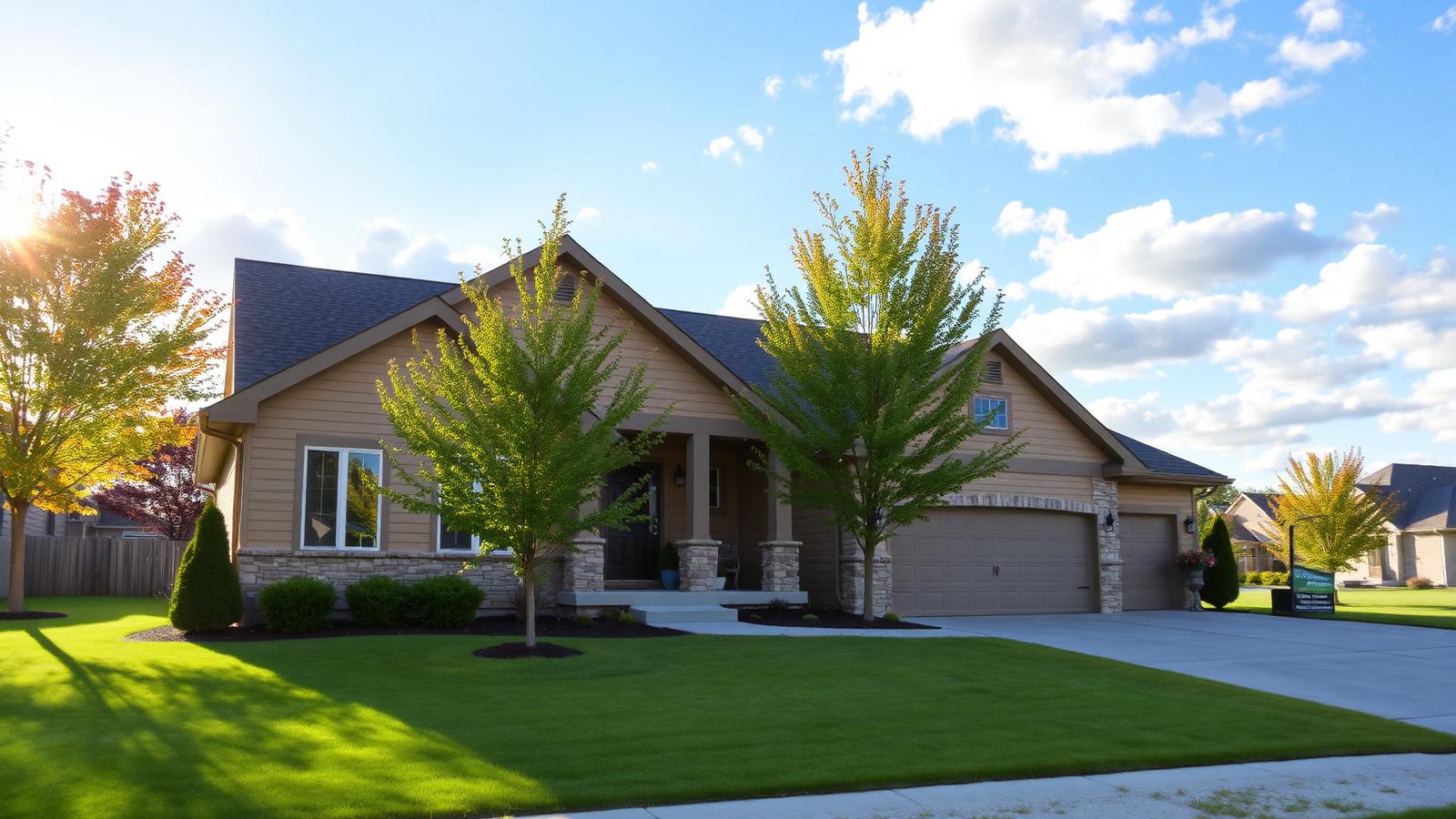

Local insights / Cincinnati, OH
Selling a Home or Land in Cincinnati, Ohio
Cincinnati sellers face different questions depending on whether they own an older brick house, a rented two-family, a condo, or a vacant hillside lot. The property's condition, title, and location within Hamilton County can matter more than a statewide home-value figure when choosing between a traditional listing, a cash sale, and owner financing.
Older homes need property-specific pricing
Cincinnati's housing stock includes older brick and frame houses, row houses, two- and four-family buildings, and newer condos and infill homes. Buyers looking at older properties often focus on roof condition, foundations, basement moisture, electrical systems, and sewer lines. Historic-district requirements can also affect a buyer's renovation plans.
Cincinnati's hills make access, drainage, retaining walls, and foundation condition especially important on some sites. For vacant land, buildability depends on more than lot size: slope, street access, zoning, and utility connections all need review. Price against comparable properties with similar conditions and uses, rather than treating Ohio's median home value as a Cincinnati valuation.
Different buyers look for different opportunities
Cincinnati attracts owner-occupants, rental-property investors, renovation buyers, and buyers seeking small multifamily buildings. A move-in-ready house may appeal to buyers using a mortgage, while a property needing substantial work may be a better fit for an investor with renovation funds. Cash buyers still evaluate repair costs, resale potential, and the risks of taking on the property.
For a rented duplex or other small rental, buyers usually want leases, rent records, deposit details, and a clear picture of maintenance needs. Vacant-land buyers are more likely to investigate permitted uses and development costs. Through Home Posted, owners can connect with qualified independent buyers and investors or list for sale by owner for free; neither route guarantees an offer.
What can slow a Cincinnati sale
An accepted offer does not resolve every closing issue. Inherited ownership, unpaid liens, mortgage payoff questions, unresolved code violations, and missing signatures can delay a sale. Rental properties add lease and access questions, while some older homes need inspections or repairs before a financed buyer's lender will approve the property.
Ohio closings commonly run through a title company, which coordinates the title search, payoff information, documents, and recording. An attorney can help with disputed ownership, probate, foreclosure, or unusual contract terms. Ask the closing provider about the requirements for your transaction rather than assuming every Ohio county requires attorney involvement.
Ohio uses a judicial foreclosure process, but a five- or six-month estimate is not a dependable deadline for an individual case. A straightforward cash transaction may be able to close on a timeline set by the offer and title work, but title problems, lender responses, and court deadlines can prevent that. If foreclosure has started, promptly confirm your actual deadlines with an Ohio attorney and request current payoff figures from your lender.
Cash offer or owner financing?
A cash offer generally makes more sense when you need proceeds at closing, want to pay off an existing mortgage, or do not want an ongoing collection relationship with the buyer. Compare the amount you would actually receive after payoffs, closing costs, and any agreed deductions. Also review proof of funds, inspection rights, contingencies, and the proposed closing date, not just the headline offer.
Owner financing means receiving some or all of the purchase price over time instead of collecting it all at closing. It may suit a seller who can wait for payment and is prepared for the risk of missed payments or default. It is not automatically a solution to an existing mortgage or pending foreclosure, and you should not assume you can keep your current loan in place after selling.
Before agreeing to owner financing, have an Ohio real estate attorney review the structure, documentation, applicable requirements, and any existing loan restrictions. A tax professional can explain the potential tax consequences. Compare the down payment, payment schedule, interest, servicing costs, and default risk against the certainty of proceeds from a completed cash sale.
Common questions
Can I sell an older Cincinnati house without making repairs?
Yes, you can market it as-is, including to renovation buyers. Buyers may still inspect it and adjust their offers for condition. Selling as-is does not remove applicable disclosure obligations; ask an Ohio real estate professional or attorney what you need to provide.
Can a cash sale close on a timeline set by the offer and title work?
It may be possible when the buyer's funds are ready, title is clear, payoff information is available, and everyone can sign on time. Confirm the schedule with the buyer and title company before relying on it, especially if a foreclosure deadline is approaching.
How long do I have to sell before foreclosure in Ohio?
There is no single safe timeline to rely on. Ohio foreclosures go through court, and timing depends on the case's stage and circumstances. Have an Ohio foreclosure attorney review your notices and court dates promptly; a planned sale does not itself stop the process.
Can I sell a Cincinnati rental with tenants still living there?
Yes. Give prospective buyers accurate leases, rent and deposit records, and information about property condition. Existing tenancies affect access, possession, and the buyer's plans, so get professional guidance before promising that the property will be vacant at closing.
Is owner financing better than taking a lower cash offer?
Not necessarily. A higher financed price may come with delayed payments, servicing costs, and default risk. Compare the cash available at closing and the remaining payment terms, then have legal and tax professionals review the proposed arrangement.
What should I check before selling vacant land in Cincinnati?
Gather the parcel information and check zoning, legal access, utility availability, easements, and any applicable floodplain or hillside constraints. Buyers may need a survey or site review to judge buildability. Avoid advertising a lot as buildable until you have support for that claim.
List your house in Cincinnati, OH, free, with no percentage commission
Buyers search in Cincinnati, OH every day. Put your property in front of them, choose the offer types you will consider, and manage conversations in the platform.
- No listing fee or percentage commission
- Seen by buyers and investors