
Local insights / Stone Harbor, NJ
Stone Harbor shore homes: weigh cash certainty against financing income
On Seven Mile Island, a cottage near 96th Street and a bayfront home can attract very different offers. Stone Harbor shares the island with Avalon, but even within this compact Cape May County borough, beach access, elevation, renovation history, and rental commitments shape a buyer’s decision. Sellers need to compare those property-level details, not a statewide median, before choosing a cash sale or offering financing.
A shore cottage and a newer elevated home need different pricing
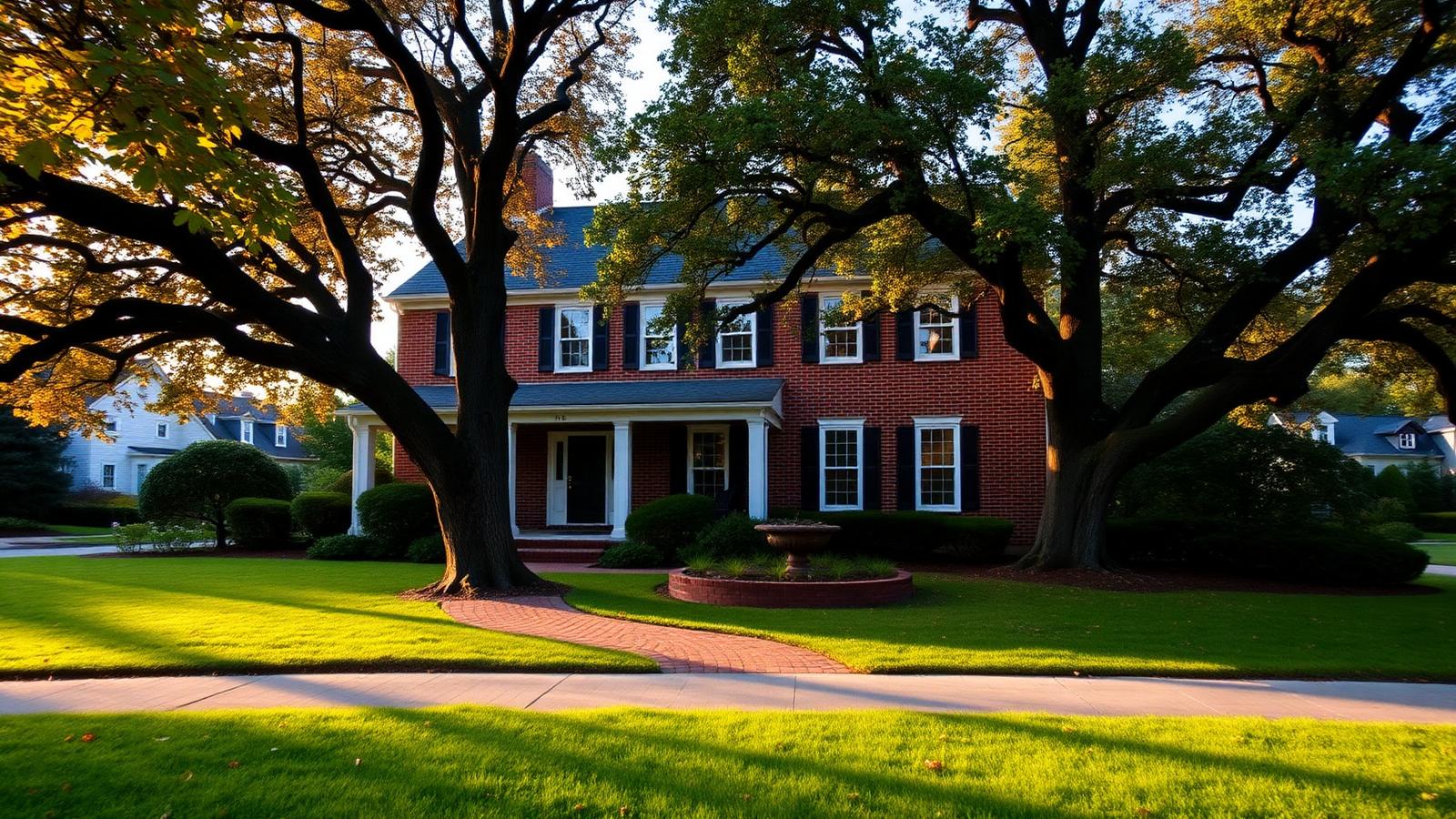
Stone Harbor’s housing includes older shore cottages, renovated seasonal homes, condominiums, and larger replacement homes, including elevated construction. Location relative to the beach, bay, and 96th Street shopping district matters, but so do parking, outdoor space, condition, and the amount of work needed before occupancy or rental.
New Jersey’s statewide median home value of $525,000 is not a reliable pricing shortcut here. Compare recent sales of similar Stone Harbor properties, separating waterfront from non-waterfront homes and older structures from newer construction. For a property marketed mainly for its lot, buyers will also examine permitted development, setbacks, and flood-related building requirements.
Second-home buyers and rental investors look at different numbers
The buyer pool includes second-home purchasers, buyers seeking year-round use, vacation-rental investors, and builders evaluating renovation or replacement opportunities. A small year-round population does not capture the full seasonal demand for property on Seven Mile Island.
A personal-use buyer may prioritize beach access and move-in condition. A rental investor is more likely to scrutinize documented rental income, insurance, maintenance, management costs, and existing bookings. A builder will focus on the lot and what can legally be built. Provide records that support the property’s actual use rather than presenting projected rental income as guaranteed.
Flood paperwork and summer bookings can hold up a closing
Flood-zone information, elevation records when available, insurance costs, and documentation of past storm damage or repairs can affect negotiations. Older homes may also raise questions about permits for additions, enclosed ground-level areas, or renovation work. Waterfront properties can require additional review of docks, bulkheads, and applicable approvals.
Existing summer leases and bookings need attention before the closing date is set. Buyers and sellers must address possession, rental deposits, prepaid rent, and any management agreement. An attorney is typically involved for at least one party in a New Jersey closing; engage your own attorney to review your obligations rather than relying on the buyer’s representative.
- Gather available surveys, elevation certificates, insurance records, and repair documentation.
- Identify open permits and ask the borough what transfer-related inspections or certificates apply.
- Disclose current leases, future bookings, deposits, and management contracts.
- For a condominium, obtain association documents, fee information, and details of assessments.
Foreclosure time is negotiating room, not a guaranteed deadline
New Jersey uses a judicial foreclosure process, and cases can take two years or longer. That can give some owners time to resolve title issues, market the property, and negotiate rather than accepting the first discounted offer. It does not establish how much time remains in an individual case, especially once a judgment or sheriff’s sale is approaching.
A long process also does not guarantee remaining equity: interest, legal expenses, taxes, and other charges can reduce sale proceeds. Get current payoff figures and ask a New Jersey foreclosure attorney about your actual deadlines. For eligible properties with clear title and ready parties, a cash closing may be possible in 14–21 days, but legal, title, or occupancy issues can extend that schedule.
Cash now or payments over time: compare the full trade-off
A cash offer may suit an owner who wants a defined exit, needs to pay off an existing mortgage, or does not want ongoing collection risk. Compare the amount left after mortgage payoffs, liens, closing expenses, and any agreed credits, not just the headline price. Confirm proof of funds, contingencies, deposit terms, and whether the buyer can meet your required closing date.
Owner financing may attract a buyer willing to negotiate a higher purchase price in exchange for paying over time. But a higher contract price is not necessarily a higher net return: default risk, delayed payments, servicing costs, and taxes matter. Existing mortgage terms can also restrict the arrangement. Have your own attorney review feasibility, security, and default provisions, and consult a tax professional before agreeing.
On Home Posted, you can list your Stone Harbor property free to reach pre-screened investors and cash buyers searching the area, or request a direct cash offer. Explain the property’s condition, rental commitments, preferred closing date, and whether you are open to discussing owner financing. Neither route guarantees an offer or a particular price.
Common questions
Can I list my Stone Harbor property free to local investors?
Yes. You can create a free for-sale-by-owner listing on Home Posted to reach investors and cash buyers searching Stone Harbor. Include the property’s condition, beach or bay location, existing rental commitments, and your preferred timeline. You can also request a direct cash offer.
Can a Stone Harbor cash sale close on a timeline set by the offer and title work?
That may be possible for an eligible property when title is clear, payoff information is ready, and both parties can complete the closing requirements. Open permits, liens, estate issues, rental obligations, or foreclosure proceedings can require more time.
Is owner financing better than accepting a discounted cash offer?
Not automatically. Owner financing can support a higher negotiated price, but you receive payments over time and take on repayment risk. Cash provides proceeds at closing. Compare net proceeds, the down payment, payment schedule, security, and potential default costs with your attorney and tax professional.
Does New Jersey’s long foreclosure process mean I can wait to sell?
Do not assume that it does. Although judicial foreclosure can take two years or longer, your remaining time depends on the stage of your case. Charges may continue to accumulate. Ask a New Jersey foreclosure attorney to confirm your deadlines and obtain current payoff amounts before evaluating offers.
Can I sell a shore home with summer rentals already booked?
Yes, but the sale must account for those commitments. Give your attorney and prospective buyer the leases, booking records, deposit details, and management agreement. The contract should clearly address possession and how rental payments and obligations will be handled.
List your house in Stone Harbor, NJ, free, with no percentage commission
Buyers search in Stone Harbor, NJ every day. Put your property in front of them, choose the offer types you will consider, and manage conversations in the platform.
- No listing fee or percentage commission
- Seen by buyers and investors