

Local insights / Dayton, MN
Dayton’s Older Homes, Acreage, and Newer Subdivisions Sell Differently
The Crow River meets the Mississippi at Dayton, while the Dayton Parkway interchange connects another part of the city to I-94. That contrast matters to sellers: an older home near the historic town center, an acreage property, and a newer subdivision house need different pricing and buyer strategies.
Start with the Property, Not a Statewide Price
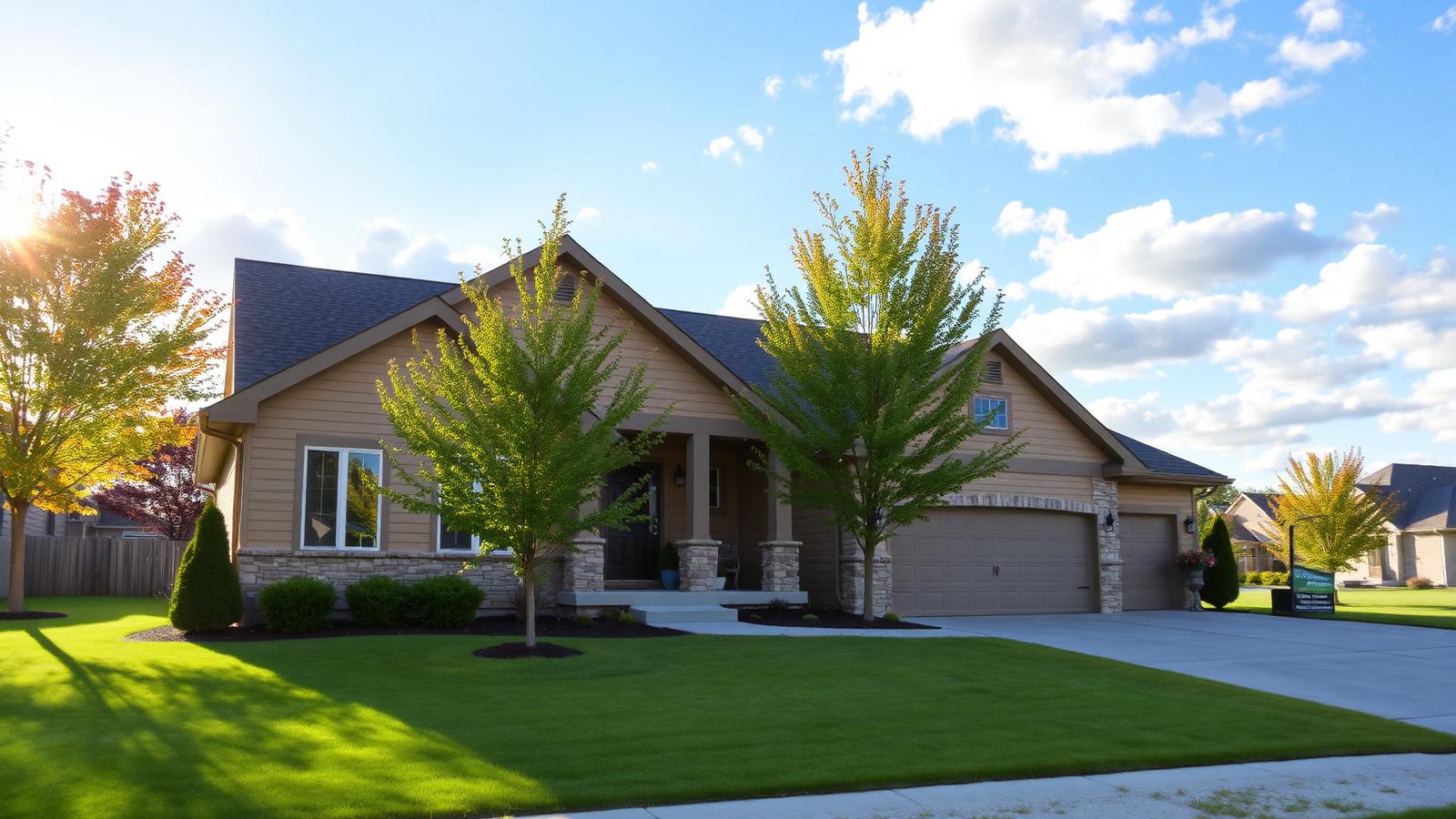
Dayton’s housing includes older detached homes, rural-residential properties with outbuildings, and newer subdivision construction. Access to I-94, proximity to Elm Creek Park Reserve, lot size, utility service, and condition can all affect which properties a buyer considers comparable. A statewide median home value is not a reliable asking price for an individual Dayton property.
For a newer house, buyers may compare your price and condition with nearby builder inventory and incentives. For an older home or acreage, the questions shift toward roof and mechanical condition, private well or septic records where applicable, usable land, and maintenance needs. Near the rivers, check mapped floodplain status for the specific parcel rather than assuming every waterfront or nearby property has the same limitations.
Twin Cities Investors Look Beyond Dayton’s City Limits
Dayton draws from the broader Twin Cities buyer pool. Investors considering properties around Maple Grove, Rogers, and the northwest metro may also evaluate Dayton for renovation projects, rentals, or land opportunities. Their interest depends on the property’s numbers and permitted uses, not simply its proximity to Minneapolis.
A renovation buyer will usually account for repairs, holding costs, and resale risk. A rental investor will focus on likely rent and ongoing expenses. An acreage or land buyer may need more time to investigate access, utilities, zoning, and development feasibility. Competition can help a seller compare options, but it does not guarantee a particular offer.
On Home Posted, owners can list a Dayton house or land parcel for free to reach pre-screened investors and cash buyers searching the area. You can also request a direct cash offer. Use both routes to compare actual terms rather than relying on a buyer’s advertised speed.
What Can Hold Up a Dayton Closing
A cash purchase removes the buyer’s mortgage underwriting, but it does not remove property or title issues. Missing estate documents, liens, boundary questions, unresolved permit issues, or unclear access can delay a transaction. For acreage and older properties, gather any survey, well and septic records, and documentation for additions or outbuildings. Ask the City of Dayton about zoning, permits, and any outstanding assessments relevant to your parcel.
Title companies and closing agents commonly handle Minnesota closings; an attorney is not generally required for a routine sale. A 10–14-day cash closing may be possible once terms are agreed, funds are verified, and title is clear. Confirm the closing agent’s schedule and the buyer’s contingencies before arranging a move.
Foreclosure requires a separate timeline check. Minnesota commonly uses nonjudicial foreclosure by advertisement, and many properties have a six-month redemption period after the foreclosure sale; some have twelve months, and exceptions can change the deadline. That period is not automatic breathing room for every owner. Have a Minnesota foreclosure attorney confirm your deadline, redemption amount, and available sale options promptly.
Cash Now or Payments Over Time?
A cash offer can suit an owner who needs sale proceeds at closing, wants to avoid managing future payments, or has a property that needs substantial work. Compare the net proceeds, earnest money, inspection rights, closing date, and any assignment provision, not just the headline price. An offer with broad cancellation rights may provide less certainty than its closing date suggests.
Owner financing may appeal to a seller who does not need all the proceeds immediately and is prepared to evaluate a buyer’s ability to pay. It can broaden the buyer pool, but it replaces a clean exit with ongoing payment and default risk. A higher stated price is not equivalent to cash received at closing.
Before offering seller financing, have a Minnesota real estate attorney review the structure, required disclosures, any existing mortgage restrictions, and remedies if payments stop. Ask a tax professional about the tax treatment. If foreclosure or a mortgage payoff is involved, do not assume a down payment and future installments will satisfy the amount due.
- For cash offers, request proof of funds and a written explanation of contingencies and seller-paid costs.
- For owner financing, evaluate the down payment, payment schedule, buyer qualifications, and responsibility for taxes and insurance.
- Compare net cash at closing separately from money you would receive only if future payments are made.
Common questions
Can I list my Dayton property free to local investors?
Yes. You can list your house or land for free on Home Posted to reach investors and cash buyers searching Dayton and the surrounding Twin Cities market. Include the condition, lot size, utility information, and preferred closing date. You can also request a direct cash offer; neither route guarantees an offer or sale.
Can a Dayton cash sale close on a timeline set by the offer and title work?
That timeline may be possible with clear title, verified funds, agreed terms, and an available closing agent. Estate paperwork, liens, redemption requirements, or property investigations can take longer. Get the proposed date and contingencies in writing.
What should I gather before selling a Dayton acreage property?
Start with any survey, access or easement documents, well and septic records, and permits for additions or outbuildings. Confirm zoning and potential land-use restrictions with the City of Dayton. Buyers considering a split or development will need to verify feasibility rather than rely on listing claims.
Does Minnesota’s redemption period give me six months to sell?
Many Minnesota foreclosures have a six-month redemption period after the foreclosure sale, and some have twelve months, but exceptions apply. Selling during redemption requires careful coordination of the deadline, title, and amount needed to redeem. Ask a Minnesota foreclosure attorney and your closing agent to review your specific situation immediately.
Is owner financing better than accepting a cash offer?
It depends on whether you need immediate proceeds and can accept ongoing credit and collection risk. Cash generally offers a cleaner exit; owner financing creates a continuing financial relationship with the buyer. Have an attorney review the proposed agreement and existing loan terms, and consult a tax professional before deciding.
List your house in Dayton, MN, free, with no percentage commission
Buyers search in Dayton, MN every day. Put your property in front of them, choose the offer types you will consider, and manage conversations in the platform.
- No listing fee or percentage commission
- Seen by buyers and investors