
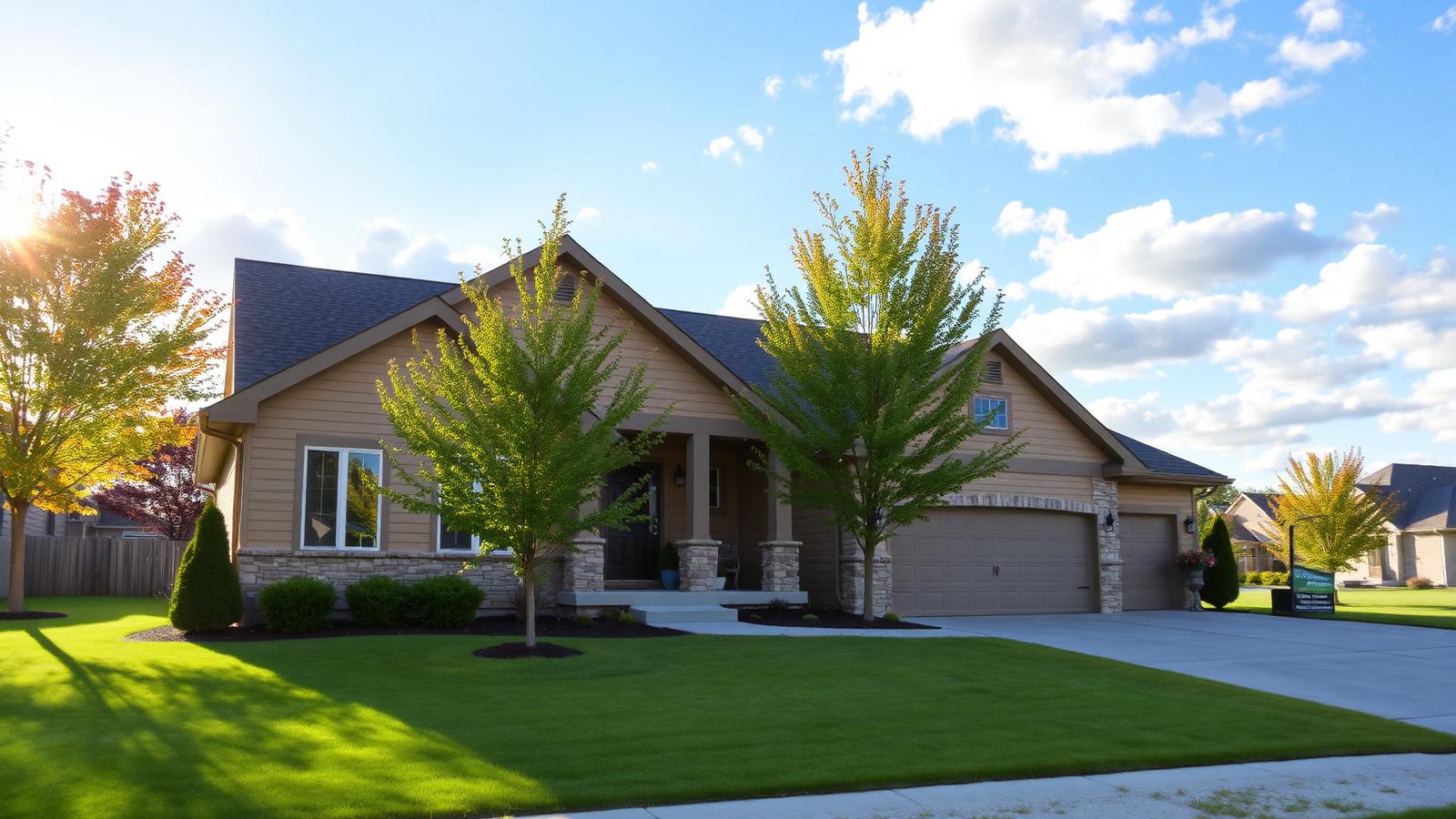

Local insights / Indian River, MI
Indian River properties: matching the sale to the home
The Inland Waterway connects Burt Lake and Mullett Lake through Indian River, and that setting shapes what buyers look for. A seasonal cabin, a year-round house near I-75, and a waterfront property can attract very different offers. For owners in this part of Cheboygan County, documented access, property condition, and the need for immediate cash often matter more than a statewide home-value figure.
A lake-area address is only part of the value
Indian River’s housing mix includes seasonal cottages, year-round houses, waterfront homes, and properties on wooded acreage. Buyers need to know which kind of property they are evaluating: a cabin that is winterized each fall is not directly comparable to an insulated home with dependable year-round utilities.
Near Burt Lake, Mullett Lake, and the connecting waterway, distinguish owned frontage from deeded access or a nearby public launch. For rural properties, explain the well and septic setup, heating system, road access, and any private-road maintenance arrangements. Michigan’s statewide median home value is not a reliable asking-price shortcut for these differences.
Reach beyond the next-door buyer
Potential buyers include local year-round residents, second-home shoppers, and investors evaluating renovation or rental potential. Indian River’s I-75 access also makes it relevant to downstate shoppers, including those from metro Detroit and Grand Rapids. Those larger markets expand the possible audience, but they do not guarantee competing offers for a particular property.
Different buyers price different problems. A recreational buyer may prioritize water access and usable summer space, while an investor will examine repairs, carrying costs, and whether the intended use is permitted. Owners can list free on Home Posted to reach pre-screened investors and cash buyers searching Indian River, and can also request a direct cash offer.
Access, septic questions, and title can hold up a closing
Snow cover can make roofs, drainage, and site conditions harder to assess, while a winterized cabin may need utilities restored before inspections. Unclear waterfront easements, private-road obligations, or missing well and septic records can also create questions that a buyer wants resolved before committing. Put the records you have in one place rather than waiting for a buyer to request them.
Michigan closings are commonly handled by title companies; an attorney is not generally required for an ordinary sale. The title company checks ownership and liens, obtains payoff information, and coordinates closing documents and funds. An inherited property, unresolved ownership issue, or complex financing arrangement may warrant a Michigan attorney. A cash closing in 10–14 days may be possible, but depends on clear title, buyer readiness, and the property’s circumstances.
- Gather deeds, surveys, and any recorded water-access or road agreements.
- Disclose known property issues and provide available repair and system records.
- Request current mortgage and lien payoff figures early.
Cash now or payments over time?
A cash offer generally fits an owner who needs sale proceeds at closing, wants to pay off debt, or does not want to collect payments afterward. Compare the net proceeds, inspection rights, contingencies, proof of funds, and proposed closing date, not just the headline price. Cash does not automatically mean an unconditional or immediate closing.
Owner financing can broaden the potential buyer pool, but it makes the seller a creditor rather than simply ending the transaction. A larger stated price is not the same as cash received: down payment, interest, payment term, default risk, taxes, insurance, and responsibility for maintenance all matter. Existing mortgage terms can also complicate the arrangement. Have a Michigan real-estate attorney structure or review the agreement and a tax professional explain the consequences before accepting payments over time.
Foreclosure time is a deadline, not a safety net
Michigan commonly uses nonjudicial foreclosure by advertisement, and many residential foreclosures have a six-month redemption period after the sheriff’s sale. However, notice requirements and redemption periods vary with the facts. Do not treat an approximately 60-day notice period followed by six months as a universal timetable, or assume that every distressed owner has time for a conventional sale.
Before a sheriff’s sale, a cash transaction may provide a route to paying off the debt if the proceeds and timing work. After the sale, selling during redemption requires careful coordination around the redemption amount and deadline; it is not the same as an ordinary closing. Contact the title company and a Michigan foreclosure attorney or HUD-approved housing counselor promptly. Requesting an offer or listing the property does not pause foreclosure.
Common questions
Can I list my Indian River property free to local investors?
Yes. You can create a free for-sale-by-owner listing on Home Posted to reach investors and cash buyers searching Indian River. Include clear photos, seasonal or year-round use, water-access details, known repairs, and your preferred closing date. You can also request a direct cash offer; neither option guarantees an offer.
Will a cash buyer consider a seasonal cabin?
Some buyers will consider seasonal cabins, including properties needing work. Explain the heating, insulation, utility status, winter access, and any known well or septic issues. Those details help buyers assess costs and reduce surprises during inspections.
Should I accept owner financing instead of a lower cash offer?
Compare cash available at closing with the risks and costs of collecting future payments. Owner financing may not suit a seller who needs to pay off an existing mortgage or wants no ongoing involvement. Have an attorney review the buyer’s proposed terms and a tax professional assess the tax treatment.
Can my Indian River sale close on a timeline set by the offer and title work?
That timeline may be possible for a ready cash buyer and a property with clear title. Liens, probate issues, access questions, payoff delays, or negotiated inspections can extend it. Ask the buyer and title company to confirm a realistic date before making moving plans.
Does Michigan’s redemption period mean I can wait to sell?
No. Many residential cases have a six-month redemption period, but exceptions apply and the amount needed to redeem must be confirmed. Get advice based on your actual notices and sheriff’s-sale date. A listing or offer request does not extend a legal deadline.
List your house in Indian River, MI, free, with no percentage commission
Buyers search in Indian River, MI every day. Put your property in front of them, choose the offer types you will consider, and manage conversations in the platform.
- No listing fee or percentage commission
- Seen by buyers and investors