
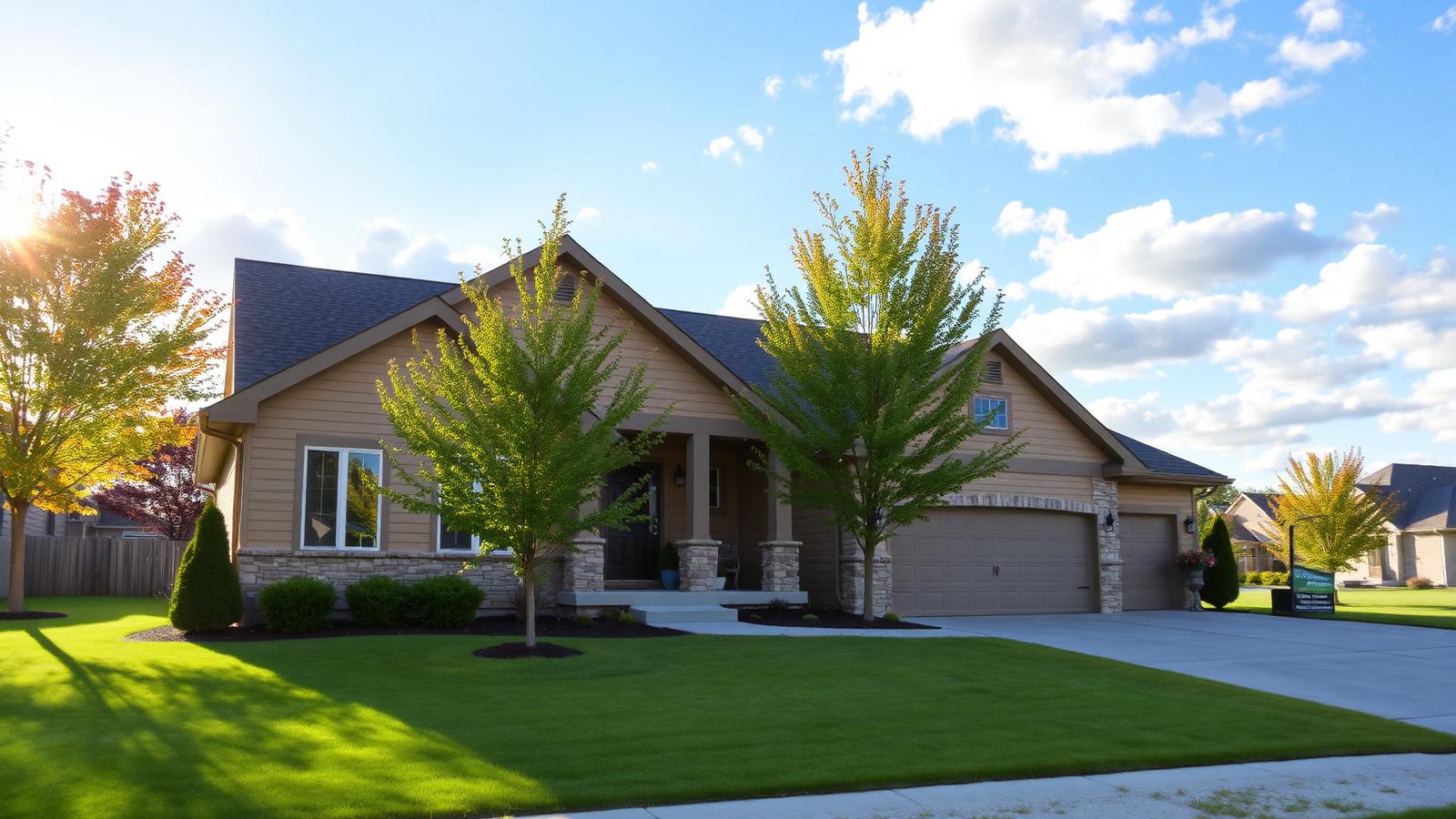

Local insights / Ann Arbor, MI
Ann Arbor homes: weigh the repairs, rental value and payment terms
An Old West Side house with deferred maintenance presents a different sale from a leased property near the University of Michigan’s Central Campus. Ann Arbor buyers look closely at renovation costs, rental records and location, not just square footage. For owners, the useful comparison is what each sale route leaves you with, how long it takes and what obligations remain afterward.
Older houses need more than a price-per-foot comparison
The Old West Side and Burns Park include many older wood-frame houses with features buyers value, but also systems that deserve close attention. Roof condition, basement moisture, electrical updates and sewer-line condition can materially affect an offer. A renovated comparable nearby may not be a useful guide for a house that still needs major work.
Historic-district status can also affect a renovation plan. Some Ann Arbor properties are subject to review for exterior changes; age alone does not establish whether those rules apply. Confirm the property’s designation and any unresolved permits before presenting it as a straightforward renovation opportunity.
Campus rentals and owner-occupied homes attract different buyers
The University of Michigan and Michigan Medicine support substantial housing demand, but not every interested buyer uses the same math. Owner-occupants may prioritize condition and their move-in date. Rental investors generally focus on lawful rental use, existing leases, operating expenses and the cost of bringing the property into suitable condition.
A rental near Central Campus may appeal to a different investor than a condominium near North Campus or a house with access to US-23 and M-14. Buyers may come from Ann Arbor, elsewhere in Washtenaw County or outside the area. A deep buyer pool in Detroit or Grand Rapids does not, by itself, establish demand or a likely offer for a particular Ann Arbor property.
Leases, city records and title can hold up the closing
For a tenant-occupied property, collect leases, security-deposit records and current rent information early. Ann Arbor has rental certification and inspection requirements, so buyers may also want the property’s inspection history and any outstanding correction notices. Showing access and possession arrangements need to respect the tenancy; a sale does not automatically end a lease.
Michigan closings commonly run through title companies, and an attorney is not generally required for a routine sale. Even a cash buyer still needs clear ownership information and workable payoff arrangements. Inherited ownership, liens, missing signatures, condominium documents or unfinished permit issues can delay closing. A straightforward cash transaction may close on a timeline set by the offer and title work, but that is a target, not a promise.
Cash now or payments over time?
A cash sale generally suits an owner who needs proceeds at closing, wants to pay off an existing loan or does not want responsibility for collecting future payments. Compare the net proceeds after mortgage payoffs, taxes, fees and any agreed concessions. Also check proof of funds, inspection rights and whether the buyer can assign the contract; a cash label alone does not make an offer certain.
Owner financing, often structured as a land contract in Michigan, means accepting some payment over time rather than receiving the full price at closing. It may broaden the pool of potential buyers, but it also leaves you exposed to payment default and property-related risks. Compare the down payment, interest, repayment schedule, any balloon payment and responsibility for taxes, insurance and maintenance, not just the advertised purchase price.
Before agreeing to owner financing, have a Michigan real estate attorney review the structure and any existing mortgage restrictions. Ask a tax professional about the treatment of installment payments. Owner financing is not automatically a solution for a property facing foreclosure, especially when an existing lender must be paid.
Use the available time without assuming a foreclosure deadline
Michigan permits nonjudicial foreclosure by advertisement, and many residential foreclosures have a six-month redemption period after the sheriff’s sale. That period is not universal, and notice requirements should not be reduced to a blanket 60-day countdown. The applicable deadlines depend on the property and circumstances. A sheriff’s sale changes the steps needed to resolve the debt, so do not assume there is always time for an ordinary closing.
Ask the servicer for current figures and have a Michigan foreclosure attorney or HUD-approved housing counselor help you understand the timeline. On Home Posted, you can request a direct cash offer or list your Ann Arbor home or land free to reach pre-screened investors and cash buyers searching the area. Neither route guarantees an offer; use written terms and verified closing requirements to decide what is workable before your actual deadline.
Common questions
Can I list my Ann Arbor property free to local investors?
Yes. You can list your home or land for sale by owner free on Home Posted to reach investors and cash buyers searching Ann Arbor. Include the property’s condition, occupancy, known repair needs and desired closing date. You can also request a direct cash offer.
What documents help sell an Ann Arbor rental?
Start with leases, rent and security-deposit records, operating expenses, and available rental certification and inspection records. Disclose outstanding correction notices and clarify tenant access and possession arrangements. These details help buyers evaluate the property without repeated requests.
Can a cash sale close on a timeline set by the offer and title work?
That may be possible with a ready buyer, clear title, available payoff figures and agreed possession terms. Probate matters, liens, ownership disputes or missing documents can take longer. Have the title company confirm what must be resolved before relying on a closing date.
Is owner financing better than a cash offer?
It depends on whether you need the proceeds now and are willing to accept repayment risk. A higher owner-financed price is not the same as cash received at closing. Compare the down payment and payment terms with the net cash offer, and have an attorney and tax professional review the proposed arrangement.
Do I always have six months to sell after a Michigan sheriff’s sale?
No. Six months is common for residential redemption periods, but exceptions apply, and a sale during redemption requires careful coordination of the redemption amount and deadline. Get property-specific guidance promptly from a Michigan foreclosure attorney rather than relying on a general timeline.
List your house in Ann Arbor, MI, free, with no percentage commission
Buyers search in Ann Arbor, MI every day. Put your property in front of them, choose the offer types you will consider, and manage conversations in the platform.
- No listing fee or percentage commission
- Seen by buyers and investors