
Local insights / Kansas
Selling a house or land in Kansas
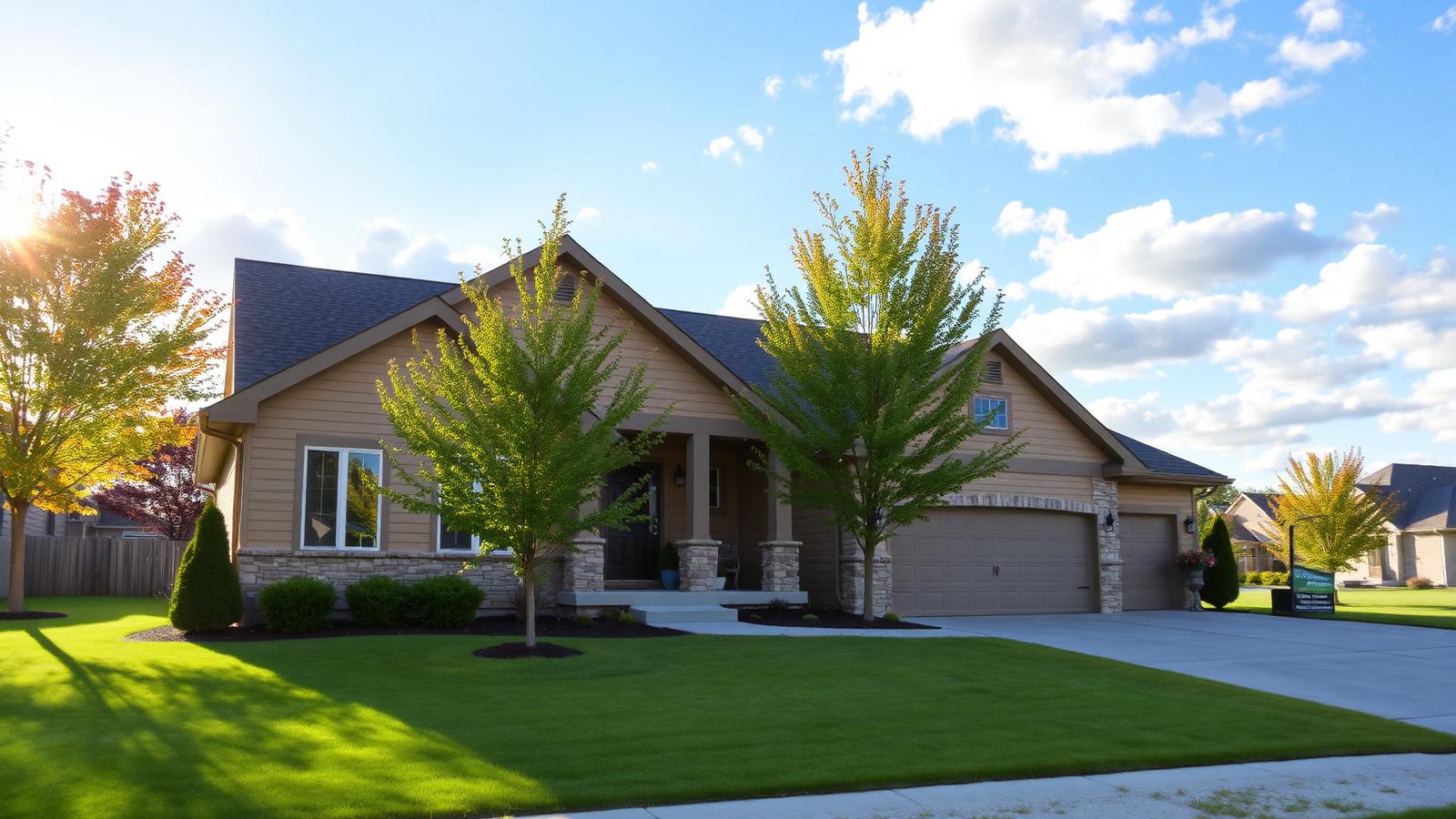
Kansas is not one uniform property market. A house in Wichita, a home in the Kansas City suburbs and a rural acreage can attract very different buyers. The statewide median home value of $230,000 is a starting point, not a price estimate for your property. Local demand, condition and the details of the sale matter more.
Your part of Kansas shapes the sale
Wichita and the Kansas City suburbs have the most active buyer pools in the state. Sellers there may have more opportunities to compare interest from investors and buyers who plan to live in the home. Even within those markets, a move-in-ready house and a property needing major repairs will attract different offers.
Rural Kansas generally has fewer buyers, especially for properties far from employment centers or services. A small-town house, working acreage and an undeveloped parcel each need a different audience. Fewer nearby sales can also make pricing harder, so a statewide median should not set your asking price.
A fast closing depends on more than finding a buyer
Through Home Posted, a cash buyer may be able to close in a timeline based on the contract and title work when you are ready, provided the title is clear and the necessary paperwork is available. That is a possible closing window after reaching an agreement, not a promise that every property will find a buyer or close that quickly.
Inherited ownership, unpaid liens, missing signatures or questions about parcel boundaries can take longer to resolve. Rural land may also need more time to find a suitable buyer. If timing matters, share your target date early and ask each buyer what inspections, documents and contingencies remain before closing.
Kansas closings usually go through a title company
Title companies commonly handle Kansas closings, and an attorney generally is not required for a routine sale. The title company checks ownership and recorded claims, coordinates payoff information, prepares closing paperwork and handles funds and recording.
Before accepting an offer, compare the amount you would receive after mortgage payoffs, taxes, agreed fees and any other deductions, not just the headline price. An attorney can be important when ownership is disputed, an estate is involved or foreclosure is underway; routine title services do not replace legal advice.
Foreclosure deadlines need a separate plan
Kansas uses a judicial foreclosure process, meaning foreclosure goes through the courts. A redemption period after the foreclosure sale can run from 3–12 months, depending on the circumstances, and exceptions can apply. That period is not a typical home-selling timeline or a guaranteed window to negotiate a normal sale.
If you have received foreclosure papers or a sale has already occurred, ask a Kansas foreclosure attorney to confirm your exact deadlines and remaining rights. There may still be options, but do not assume that listing the property or accepting an offer stops the process. Share any known court or sale dates with the buyer and title company immediately.
Match the buyer to the property and the problem
Sellers often come to Home Posted with an inherited house, repairs they do not want to fund, a rental they no longer want to manage or a move that makes a drawn-out sale difficult. Landowners may be selling unused acreage or a parcel that has attracted little local interest. The right route depends on whether your priority is timing, fewer repairs or testing the market.
Home Posted matches owners with qualified independent buyers and investors, and owners can also list for sale by owner for free. In rural Kansas, reaching buyers beyond the immediate area can help you explore more options, but it cannot guarantee multiple offers or prevent low offers. Compare price, contingencies, closing costs and proof of funds before deciding.
- For a house, share its condition, occupancy and any known repair issues.
- For land, gather parcel information and details about road access, utilities, leases and any known boundary or title questions.
- For inherited or jointly owned property, clarify who has authority to sign with the appropriate professional.
Common questions
Can I sell my Kansas property in 10–14 days?
A cash closing may be possible in that window once you have an agreement, clear title and the required documents. Finding a buyer and resolving ownership or lien issues can take additional time. Confirm the schedule with the buyer and title company before making plans around it.
Do I need an attorney to sell a house in Kansas?
An attorney generally is not required for a routine Kansas closing; a title company commonly handles it. Consider a Kansas real estate attorney if the sale involves foreclosure, disputed ownership, estate questions or unfamiliar contract terms.
Does Kansas's redemption period give me another year to sell?
Not necessarily. Kansas redemption periods after a foreclosure sale can range from 3–12 months, but the applicable period and your options depend on the case. It is not an automatic extension for an ordinary sale. Have a Kansas foreclosure attorney review your court documents and deadlines promptly.
Why is rural Kansas land harder to price?
There may be fewer comparable sales and fewer active buyers. Acreage alone does not determine value: access, utilities, land use, leases and rights included in the sale can all matter. A local land professional or appraiser can help assess a parcel when comparisons are limited.
Should I accept the first cash offer?
You do not have to. If your deadlines allow, compare available offers and look at your expected proceeds, inspection rights, contingencies and the buyer's ability to close. Access to a matched network can broaden your reach, but no offer or sale price is guaranteed.
List your house in Kansas, free, with no percentage commission
Buyers search in Kansas every day. Put your property in front of them, choose the offer types you will consider, and manage conversations in the platform.
- No listing fee or percentage commission
- Seen by buyers and investors