
Local insights / Farmland, IN
Farmland sellers: compare a cash exit with payments over time
State Road 32 connects Farmland with Winchester to the east and Muncie to the west, but a property here needs to be priced for its own Randolph County setting. An older home in town and a house with acreage outside town can attract very different buyers. The useful comparison is not just what someone offers, it is how they will pay, what must happen before closing, and what responsibility you keep afterward.
In-town houses and rural acreage need different pitches
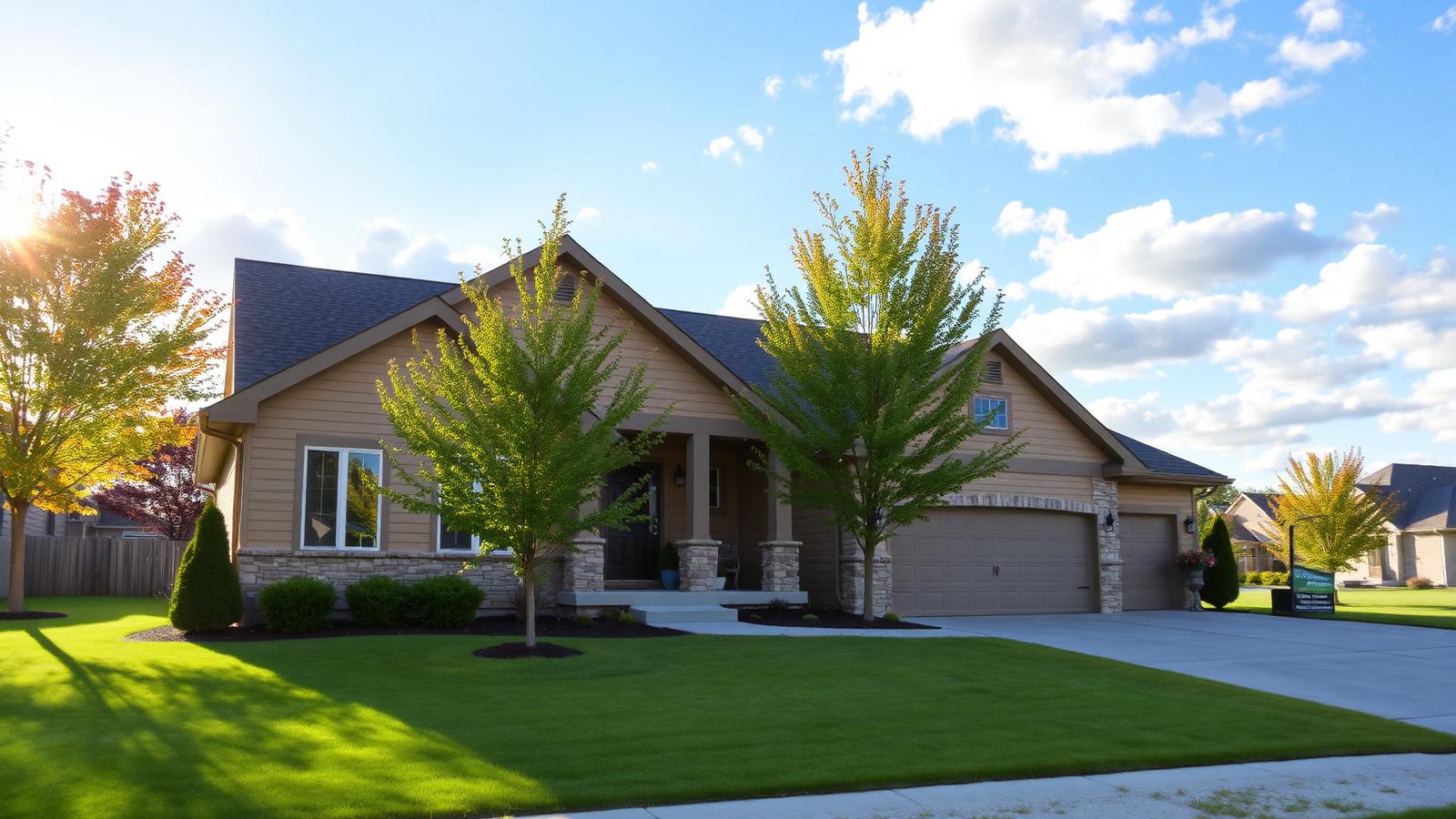
Farmland sellers may be bringing an older detached house, a modest in-town lot, or a rural home with outbuildings to market. For an older house, buyers will look closely at the roof, foundation, electrical system, heating, and any unfinished renovations. Clear photos and an honest repair list help buyers evaluate the property without building as much uncertainty into their offers.
Outside town, the land can matter as much as the house. Identify acreage, road access, boundary information, and any well or septic system. Barn condition, maintenance needs, and any existing farm lease can also affect how a buyer values and plans to use the property.
Indiana's statewide median home value is not a reliable asking-price guide for a particular Farmland property. Look for recent comparable sales with similar condition, lot size, and location; a renovated home in Muncie or a larger acreage property elsewhere in Randolph County may not be a useful comparison.
The buyer pool extends beyond Farmland, but offers are not automatic
Potential buyers include people purchasing a home to live in, landlords evaluating rental income, and renovation investors looking for a workable purchase-and-repair budget. Nearby Winchester and Muncie are relevant places to look for regional buyers. For acreage, buyers may care more about access, usable land, and outbuildings than interior finishes.
Indianapolis has a larger investor market, but that does not mean every investor there buys in Farmland. The same caution applies to buyers based in Fort Wayne, Evansville, or South Bend: ask whether they actually purchase and manage property in Randolph County. Multiple competing offers are possible, not something to count on.
On Home Posted, you can list your property for sale by owner for free to reach pre-screened investors and cash buyers searching the Farmland area. You can also request a direct cash offer. Compare any responses on price, proof of funds, contingencies, and the buyer's ability to meet your preferred closing date.
What can hold up a Randolph County sale
A financed buyer may face appraisal or loan-condition hurdles if an older house needs significant repairs. Rural properties can add questions about septic condition, well water, access, or whether a lender will accept the acreage and outbuildings. A cash purchase avoids mortgage approval, but the buyer may still require inspections or other due diligence.
Title issues can delay either route. Inherited ownership, unpaid liens, missing signatures, or an uncertain boundary need attention before the property can transfer. Where land is leased or a house is occupied by a tenant, share the relevant agreements early rather than waiting until closing.
An Indiana title company commonly coordinates the title search, closing documents, funds, and recording. You can ask to use your preferred title company; confirm that choice in the agreement. Title insurance premiums and other closing costs should be allocated in writing rather than assumed to be the seller's responsibility in every transaction.
- Gather mortgage payoff information and any lien notices.
- Provide available surveys, repair records, and well or septic records.
- Identify every owner who needs to sign.
- Disclose leases and agree on possession timing before accepting an offer.
Cash now or owner-financed payments later?
A cash offer may suit an owner who wants the proceeds at closing and no continuing role as the buyer's lender. Compare the net amount after agreed costs, not just the headline price. Also check inspection rights, cancellation provisions, earnest money, and whether the buyer must find another purchaser before closing.
Owner financing means receiving some of the purchase price over time. It may broaden the buyer pool, but a higher stated price is not the same as cash in hand. You take on repayment risk, delayed access to your equity, and the possibility of enforcement costs if the buyer stops paying.
Before agreeing to owner financing, have an Indiana real estate attorney review the structure, any existing mortgage restrictions, and your obligations. A tax professional can explain the tax consequences. Down payment, interest, payment schedule, insurance, property taxes, and default procedures all need careful written treatment.
- Favor a cash comparison when paying off debt or receiving proceeds promptly is the priority.
- Consider owner financing only if delayed payments and default risk fit your finances.
- Compare the cash net proceeds with the financing terms, not simply two advertised sale prices.
Let your actual deadline set the pace
A straightforward cash transaction may be able to close in a timeline based on the contract and title work once the agreement, title work, and required documents are ready. That is a possible timeline, not a guarantee. An estate issue, unresolved lien, or missing payoff can push the closing beyond that window.
Indiana uses judicial foreclosure. Although 7–9 months is sometimes used as a broad planning estimate, it is not a deadline you can safely apply to your own case. The stage of the court proceeding and any scheduled sheriff's sale matter more than an average.
Do not assume there is plenty of time simply because a cash buyer can close quickly. If foreclosure is involved, ask an Indiana attorney or HUD-approved housing counselor to help establish your actual deadlines. Then compare offers against those dates, including enough time for title clearance and lender payoff.
Common questions
Can I list my Farmland property free to local investors?
Yes. You can create a free for-sale-by-owner listing on Home Posted to reach pre-screened investors and cash buyers searching Farmland and the surrounding area. Include condition, acreage, occupancy, and your preferred closing date. You can also request a direct cash offer; neither route guarantees an offer.
Will Indianapolis investors compete for my Farmland house?
Some may consider it, but distance, repair costs, resale prospects, and rental demand determine whether it fits their plans. Ask buyers about their Randolph County experience and request proof of funds. Do not base your plans on receiving multiple offers.
Is owner financing better than taking a cash offer?
It depends on your need for immediate proceeds and willingness to accept repayment risk. Cash generally ends your financial involvement at closing. Owner financing leaves you collecting payments and potentially dealing with a default. Have an attorney review the proposed arrangement and a tax professional explain its consequences.
Who chooses the title company and pays for title insurance?
You can propose the title company, and the purchase agreement should confirm the choice and allocation of costs. Do not assume every Indiana sale requires the seller to pay every title insurance premium. Ask the title company for a written estimate showing your expected net proceeds.
Can a Farmland cash sale close on a timeline set by the offer and title work?
That may be possible with clear title, available funds, complete paperwork, and agreement on possession. It is not guaranteed. Tell the buyer and title company about any foreclosure deadline, estate matter, liens, or tenants before setting the closing date.
List your house in Farmland, IN, free, with no percentage commission
Buyers search in Farmland, IN every day. Put your property in front of them, choose the offer types you will consider, and manage conversations in the platform.
- No listing fee or percentage commission
- Seen by buyers and investors