
Local insights / Savannah, GA
Savannah’s Housing Stock Shapes Your Selling Options
A wood-frame home in Savannah’s Victorian District can raise different buyer questions than a brick ranch on the Southside. Historic-preservation requirements, coastal insurance costs, and the condition of older buildings all influence what buyers will take on, and whether a cash sale, a free owner listing, or owner financing fits your plans.
Historic Houses, Southside Ranches, and Coastal Exposure
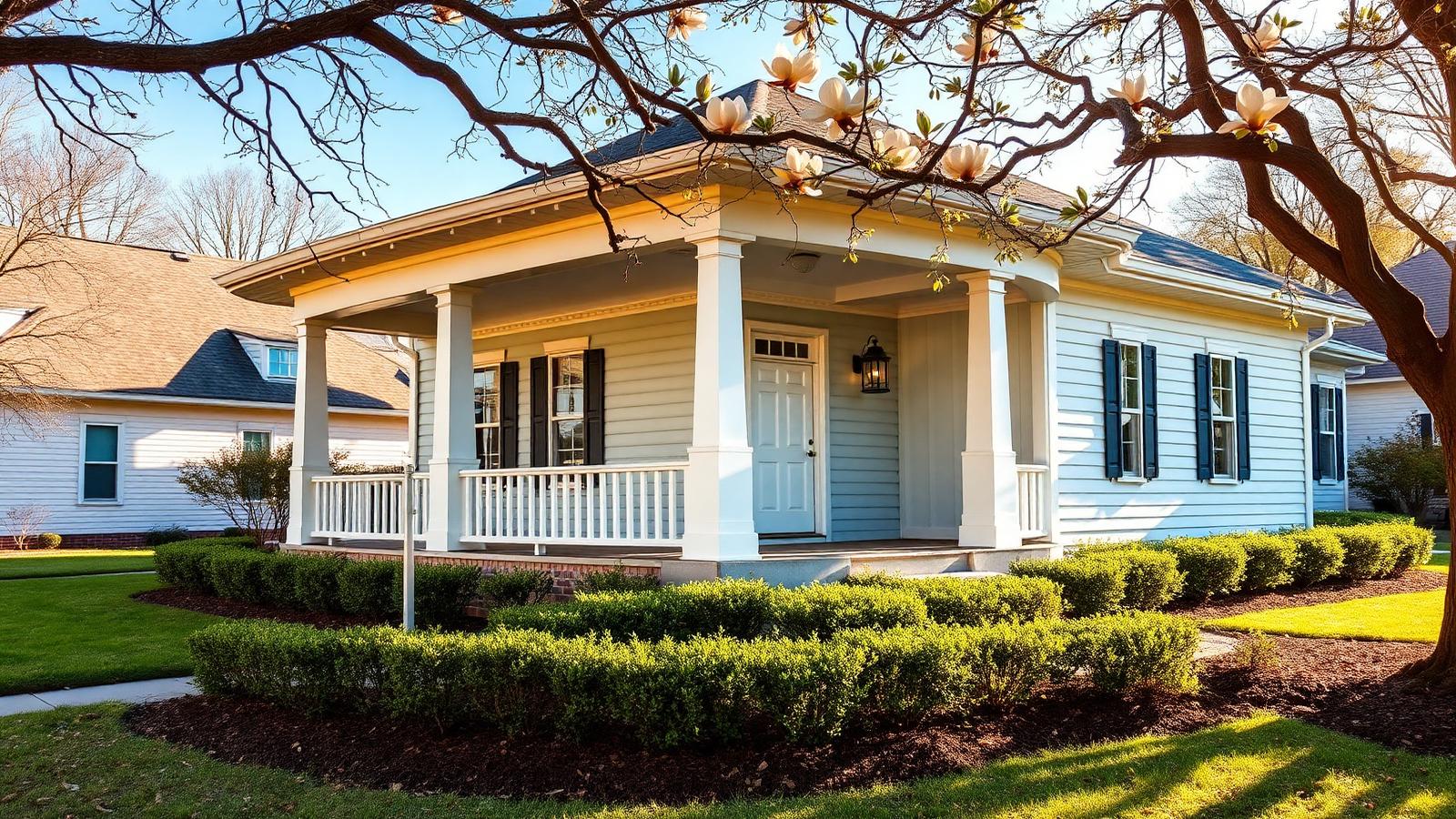
Savannah’s housing ranges from older wood-frame houses and converted multifamily properties near the historic core to early-20th-century homes in Ardsley Park and later ranch-style houses on the Southside. Buyers assess more than square footage: foundations, crawl spaces, roofing, electrical systems, and termite damage can change their repair budgets substantially.
For properties within locally regulated historic districts, certain exterior changes require preservation review. That can affect a buyer’s renovation plans and schedule. Flood-zone status and insurance costs are separate, property-specific questions in coastal Chatham County; neither a Savannah address nor proximity to water alone tells a buyer the full risk.
- Gather records of roof replacements, termite treatment, and major system repairs.
- Identify any historic-district restrictions affecting planned exterior work.
- Have available flood-zone information, insurance records, and details of known water intrusion.
Who Buys Near Downtown and the Port Corridors
Savannah attracts renovation investors, rental-property owners, and buyers looking for homes they can occupy themselves. Downtown properties may interest buyers serving demand associated with the Savannah College of Art and Design, while access to the Port of Savannah, Garden City, and I-95 can matter to buyers evaluating workforce rentals. Those connections do not make every property a profitable rental; condition, expenses, and achievable rent still drive the numbers.
Some investors evaluate visitor-oriented properties, but sellers should not assume a house can operate as a short-term vacation rental. Savannah’s location-specific rules, approvals, and any association restrictions need checking. Likewise, Atlanta’s investor activity does not establish what a Savannah buyer will pay. Compare actual offers for your property rather than relying on statewide market claims.
What Can Hold Up a Chatham County Closing
An older home may sell without repairs, but unresolved title issues still need attention. Inherited ownership, missing estate paperwork, liens, mortgage payoffs, and tenant arrangements can delay a sale even when the buyer has cash. Historic-work approvals and uncertainty over insurance or rental use can also extend a buyer’s review.
Georgia requires a Georgia-licensed attorney to handle the closing. You can select or propose a closing attorney as part of the transaction arrangements; confirm that choice with the buyer and any lender. Ask for an itemized estimate showing attorney fees and other closing charges. Costs assigned to you are generally deducted from your proceeds at closing.
Georgia permits nonjudicial foreclosure, so an owner facing a scheduled sale should act promptly. A quoted 30–37-day window is not a reliable estimate of every borrower’s remaining time. Have a Georgia attorney review your notices and dates immediately. A cash closing in under seven days may be possible with clear title and ready funds, but it is not assured, and requesting an offer does not stop foreclosure.
Cash Now or Payments Over Time?
A cash offer generally suits an owner who wants proceeds at closing and no ongoing role as the buyer’s lender. It can also remove the buyer’s mortgage-approval contingency, though inspection, title, and other contract conditions may remain. Compare the net proceeds, repair concessions, earnest money, proof of funds, and cancellation rights, not just the headline price.
Owner financing means receiving some of the purchase price over time rather than all at closing. It can broaden the pool of potential buyers, but leaves you exposed to missed payments and possible enforcement costs. An existing mortgage can complicate the arrangement, including potential due-on-sale issues. Before agreeing, have a Georgia real estate attorney review the structure and a tax professional explain the consequences.
On Home Posted, you can list your Savannah home or land for sale by owner free to reach pre-screened investors and cash buyers searching the area, or request a direct cash offer. Use actual proposals to compare your options. Neither route guarantees an offer, a particular price, or a closing date.
- Need proceeds to pay off a mortgage or fund a move? Compare cash offers by your expected net at closing.
- Considering payments over time? Assess the buyer’s ability to pay and your ability to manage the ongoing risk.
- Facing foreclosure? Get professional guidance on the actual deadline before relying on either sale structure.
Common questions
Can I list my Savannah property free to local investors?
Yes. You can create a free for-sale-by-owner listing on Home Posted to reach pre-screened investors and cash buyers searching Savannah and Chatham County. Include the property’s condition, occupancy, known restrictions, and your preferred timing. You can also request a direct cash offer.
Will a cash buyer purchase an older Savannah home without repairs?
Some investors buy properties as-is and account for repairs in their offer. Older wiring, crawl-space moisture, termite damage, and historic-district requirements can affect that offer. As-is does not necessarily mean no inspection, and you should discuss disclosure obligations with your closing attorney.
Can a Savannah sale close in under seven days?
It may be possible when the buyer’s funds are ready, title is clear, payoff information is available, and the closing attorney can complete the work. Estate issues, liens, or missing documents can take longer. If foreclosure is pending, ask a Georgia attorney to verify the deadline rather than treating a proposed closing date as protection.
Who chooses and pays the closing attorney in Georgia?
You can choose or propose a Georgia-licensed closing attorney, with the arrangement confirmed in the transaction terms and subject to any lender requirements. The contract determines how costs are allocated. Any attorney fee assigned to you is generally paid from your proceeds at closing; request an estimate beforehand.
Is owner financing better than accepting a cash offer?
It depends on whether you need money now or can accept payments and ongoing risk. Cash generally ends your financial involvement at closing. Owner financing makes you the lender for some or all of the price and requires careful documentation, buyer evaluation, and a plan for missed payments. Consult a Georgia attorney and tax professional before choosing it.
List your house in Savannah, GA, free, with no percentage commission
Buyers search in Savannah, GA every day. Put your property in front of them, choose the offer types you will consider, and manage conversations in the platform.
- No listing fee or percentage commission
- Seen by buyers and investors