
Local insights / Pittsburgh, PA
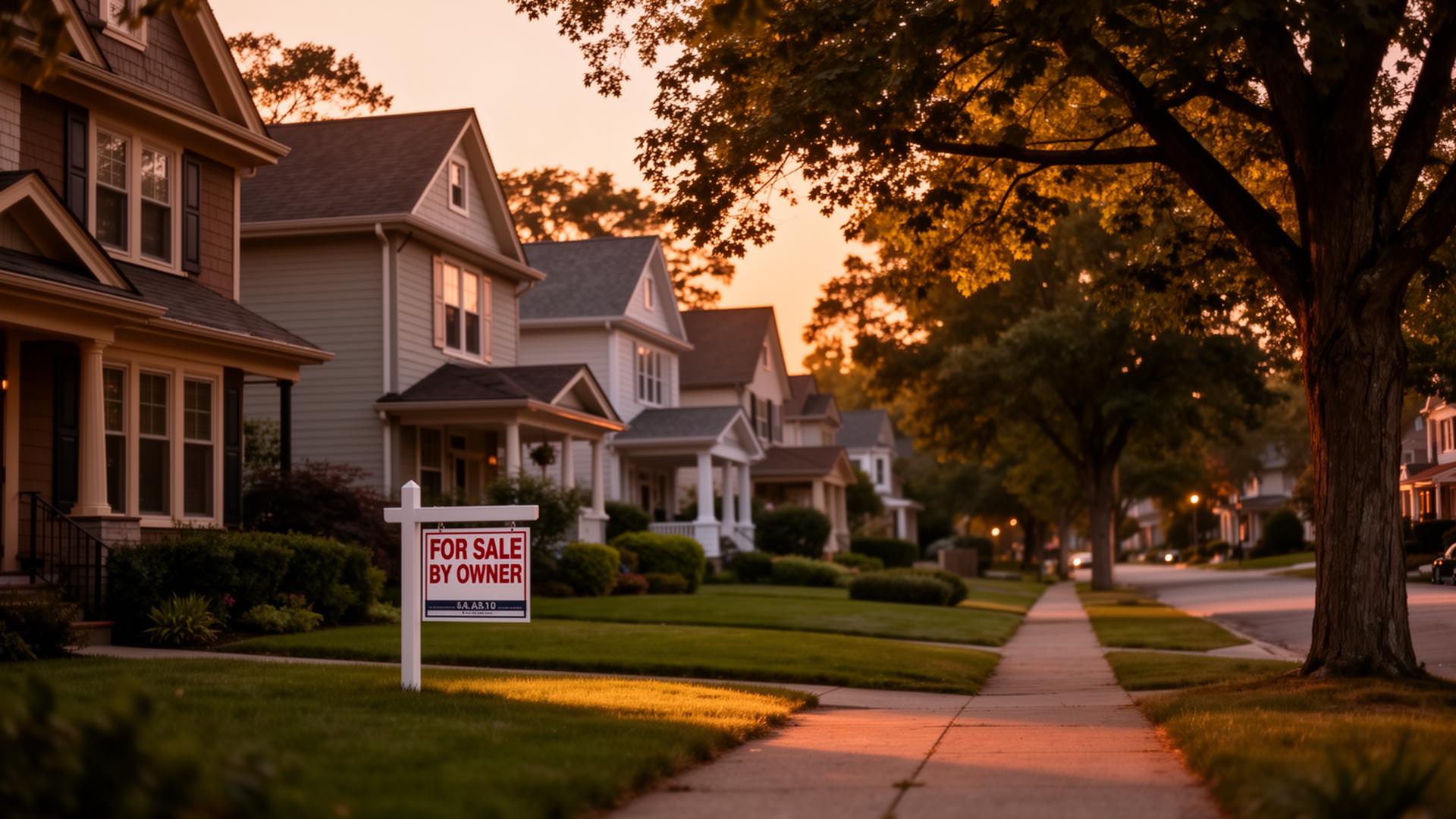
List your Pittsburgh property for sale by owner, free
Pittsburgh’s hills, river crossings, and block-by-block differences make a citywide asking price a poor starting point. A South Side rowhouse, a Bloomfield duplex, and a detached house in Brookline need different comparisons, and may attract different buyers. List your property free on Home Posted to reach qualified independent buyers and investors searching Pittsburgh, while keeping control of your asking price and the offers you consider.
Find buyers who want your part of Pittsburgh
Rental investors may look around Oakland for properties serving demand connected to the University of Pittsburgh and Carnegie Mellon University. Buyers considering Bloomfield or Lawrenceville may focus on older houses and small multifamily properties, weighing renovation costs against achievable rents or resale prices. Owner-occupants also shop FSBO listings, though financing and inspection contingencies can make their offers different from an investor’s.
Location details help buyers decide whether to inquire. Name the neighborhood, explain parking and access, and describe proximity to major routes such as I-376 or I-279 without promising commute times. Be clear about whether the property is within Pittsburgh city limits or in a separate Allegheny County municipality; mailing addresses alone can leave buyers uncertain about taxes and local requirements.
The easiest properties to assess often get attention first
No property type is guaranteed to sell fastest. In Pittsburgh, a realistically priced brick house with documented condition or a duplex with clear rental records can be easier for buyers to evaluate than a listing with missing photos and an unexplained unit count. A renovation project can also attract cash buyers when the asking price leaves room for repairs and the seller explains the work needed.
Older Pittsburgh homes often require buyers to examine basement moisture, roof condition, electrical systems, and retaining walls. Steep lots, exterior stairs, limited parking, and difficult contractor access can affect renovation budgets. Put these details in the listing rather than letting a buyer discover them late and reopen negotiations.
- For rentals, provide current rents, lease terms, occupancy, and which utilities the owner pays.
- For renovated homes, describe the scope of work and provide permits or invoices where available.
- For fixer-uppers, photograph major defects and distinguish known problems from items you have not inspected.
Price against nearby sales, not a statewide median
Start with recently closed sales in the same neighborhood and, where possible, on comparable streets. Match property type, condition, finished space, parking, and usable outdoor space. A hillside house with street parking is not a direct substitute for a similar-size home with a level entrance and garage. Pennsylvania’s statewide median value is too broad to set a Pittsburgh listing price.
Use clear exterior and interior photos, including the basement, mechanical equipment, rear access, and any off-street parking. Separate finished living area from unfinished basement space, and verify bedroom and unit descriptions against available records. On Home Posted, you can list free to reach investors and cash buyers searching Pittsburgh; a complete listing helps them ask specific questions instead of guessing at the property’s value.
- Show occupied rooms with the occupant’s permission and avoid exposing personal information.
- Explain any access restrictions, lease commitments, or preferred possession date.
- Compare offers by net proceeds, contingencies, deposit terms, and closing certainty, not price alone.
Your Pennsylvania paperwork does not end at the listing
For most residential sales, Pennsylvania requires a seller’s property disclosure statement, subject to exemptions. Complete it accurately based on your knowledge and provide it before the buyer signs a purchase agreement. Selling as-is does not remove applicable disclosure obligations. Most pre-1978 housing also requires federal lead-based paint disclosures and related materials; a Pennsylvania real estate attorney can explain what applies to your property.
A title company typically coordinates the Pennsylvania closing, including the title search, payoff information, settlement documents, and recording. As an unrepresented seller, you still need to arrange access, respond to title issues, meet contract deadlines, and agree on possession. Confirm applicable municipal requirements early, including any sewage or dye-testing requirements, and have an attorney review unfamiliar contract terms.
- Gather your deed, mortgage payoff contact, tax information, leases, and available repair records.
- Ask the title company to identify liens, required municipal certifications, and closing charges.
- Review the proposed settlement statement, including transfer taxes, prorations, and your expected proceeds.
- Verify wire instructions through a trusted phone number before sending money or banking details.
Keep a cash offer as an option, not an obligation
A backup cash offer can make sense when a vacant house is accumulating carrying costs, repairs limit financing options, or a buyer’s mortgage approval is uncertain. You can request a direct cash offer through Home Posted as well as list your property free. Compare any offer with the likely proceeds from continuing to market the property, including the cost of waiting and any requested repairs.
A direct cash purchase may be able to close in a timeline based on the contract and title work once terms are agreed, depending on title, access, and other transaction requirements. Pennsylvania uses judicial foreclosure, and cases can take many months, but a general timeline is not a deadline you can safely rely on. If foreclosure papers or a sheriff’s sale notice have arrived, contact a Pennsylvania attorney or HUD-approved housing counselor promptly and confirm the actual dates before committing to a sale.
Common questions
Can I list my Pittsburgh property free to local investors?
Yes. You can create a free FSBO listing on Home Posted to reach pre-screened investors and cash buyers searching Pittsburgh and Allegheny County. Include the neighborhood, condition, occupancy, photos, and asking price. A free listing does not guarantee an offer or a sale.
What Pittsburgh property types are likely to attract investor interest?
Single-family renovation projects, rowhouses, duplexes, and other small multifamily properties can attract different investors. Buyers generally need enough information to evaluate repairs, rental income, access, and resale potential. Price and condition matter more than a property-type label alone.
Do I need an agent to handle a Pennsylvania closing?
You can sell without a listing agent. A title company typically handles settlement, but it does not replace your own legal adviser. You remain responsible for the agreement you sign, required disclosures, deadlines, and delivery of possession. Consider a Pennsylvania real estate attorney for contract review or title complications.
Can I sell an older Pittsburgh house as-is?
Yes, you can market it as-is and negotiate terms that reflect its condition. You still need to meet applicable disclosure requirements, including lead-based paint requirements for most homes built before 1978. Explain known defects clearly and ask an attorney about any uncertain obligations.
Can I request a cash offer while my FSBO listing is active?
Yes. You can request a direct cash offer while marketing your property, provided you respect any existing contractual obligations. Compare the price, contingencies, closing costs, and possession terms. A 14–21-day closing may be possible, but it depends on the property and transaction and is not guaranteed.
List your house in Pittsburgh, PA, free, with no percentage commission
Buyers search in Pittsburgh, PA every day. Put your property in front of them, choose the offer types you will consider, and manage conversations in the platform.
- No listing fee or percentage commission
- Seen by buyers and investors